

Wondering if F10SC is a smart buy for everyday pet hygiene? This F10SC review breaks down what it is, what it’s commonly used for, and how to decide if it fits your routine. If you’re comparing options, understanding the strengths and limits of F10SC products can save you time and money.
Important: This article is educational and based on manufacturer directions and general hygiene best practices. It is not medical advice. For disease concerns, exposure risks, or cleaning questions related to a specific diagnosis, talk with your veterinarian.
What F10SC is (and what it isn’t)
F10SC is a concentrated veterinary disinfectant used to support sanitation of hard, non-porous surfaces in pet environments. In practical terms, it’s often chosen when you want a single product that can be mixed as needed for routine cleaning tasks in areas where pets eat, sleep, and play (with label-required precautions like rinsing when applicable).
What makes it different from a basic household cleaner is purpose: it’s intended for disinfection (killing or inactivating certain microorganisms) when used exactly as directed, including the correct dilution, wet contact time, and application method listed on the product label. Always align your expectations with the label claims for the specific product you’re using.
What it isn’t: F10SC isn’t a parasite prevention product, and it won’t replace vet-recommended flea and tick control, dewormers, or vaccines. It’s also not a shortcut around proper cleaning technique—visible soil, hair, and debris still need to be removed first for any disinfectant to work as intended.
If you want to compare what’s available, browse our F10SC collection to see the current lineup in one place.
Where F10SC fits in pet homes (and common application areas)
Most shoppers reach for F10SC products for one simple reason: they want a practical way to keep pet areas cleaner without overcomplicating their routine. Concentrated formats can be especially appealing if you clean regularly and prefer stocking one versatile product rather than multiple single-use cleaners.
Because it’s commonly used as a kennel disinfectant in animal-care settings, many pet owners adopt it for similar high-traffic zones at home—places that see frequent paw prints, drool, accidents, and repeated contact.
Typical application areas by pet type (always follow the label for approved uses and surface compatibility):
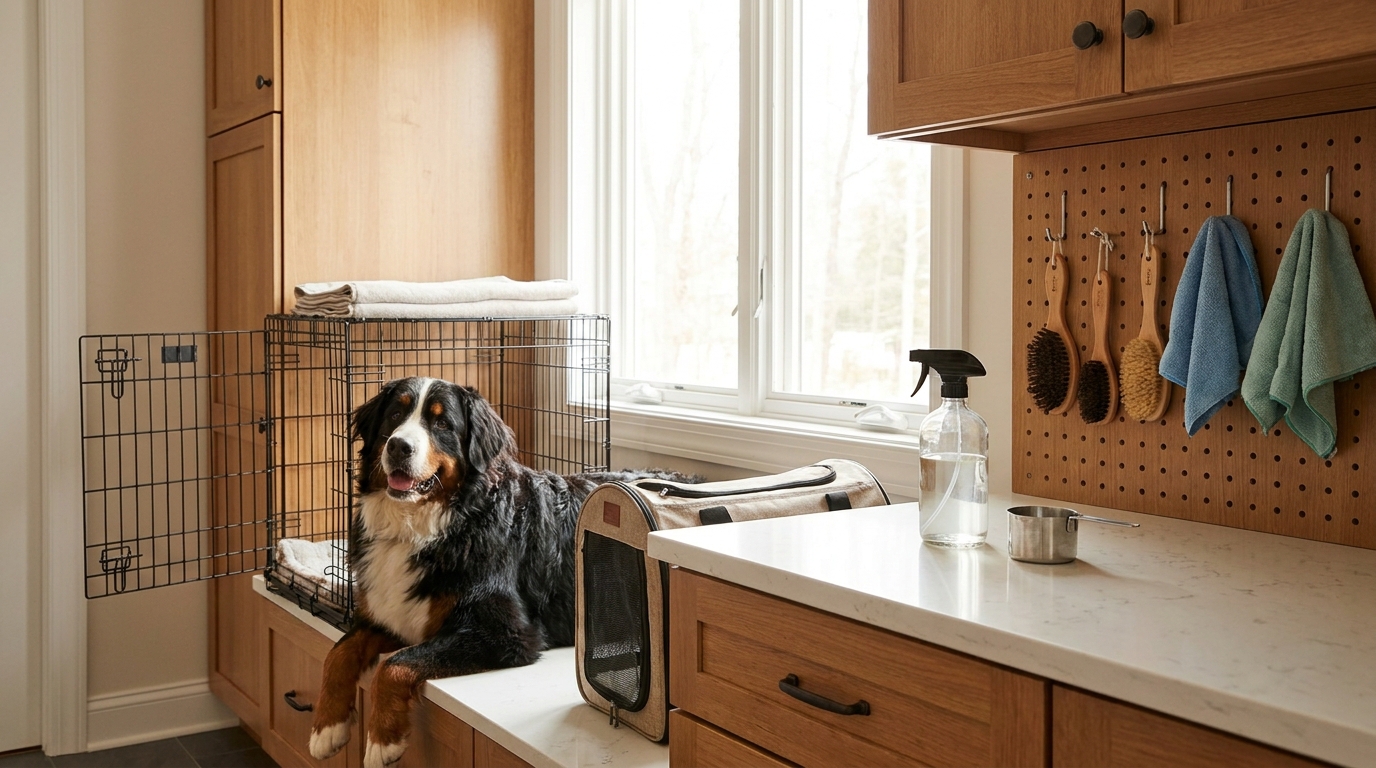
- Dogs: crates, carriers, hard floors, door thresholds, washable training pads trays, and feeding stations (rinsing food-contact surfaces as directed).
- Cats: litter box surrounding areas (not litter itself), carrier interiors, hard-surface scratching posts bases, and nearby floors/walls prone to splatter or tracking.
- Small pets: enclosure trays, ramps, and hard plastic accessories; treat porous bedding separately per care instructions rather than trying to “disinfect” absorbent materials.
- Birds and reptiles: hard, non-porous enclosure components and tools when label-approved; extra attention to ventilation and complete drying is important in enclosed habitats.
Another purchase driver is convenience. A reliable disinfectant can streamline cleanup after accidents, muddy paws, or the everyday grime that builds up on surfaces pets frequent.
Quick tip: Clean first, disinfect second. Removing visible dirt and hair before applying a disinfectant helps it work as intended and prevents wasting product.
Dilution ratios, contact time, and formats: what to know
Two details largely determine whether any disinfectant performs as expected: correct dilution and wet contact time. Because F10SC is a concentrate, you’ll typically measure and mix it with water according to the label instructions for your intended use. Avoid guessing or “adding a little extra,” since over-concentrating doesn’t necessarily improve results and can increase residue or irritant risk.
Contact time matters. Disinfectants generally need the surface to remain visibly wet for a specified period to work as directed. If the surface dries too quickly, you may need to reapply to maintain wetness for the full label time. (The exact contact time depends on what the label indicates for the product and the intended application.)
Ready-to-use vs. concentrate: some households prefer ready-to-use products for convenience and consistency, while others prefer concentrates for flexibility and cost per use. If you’re cleaning frequently—especially in multi-pet homes—the concentrate format is often where owners feel they get the best value, provided they’re comfortable measuring accurately and storing it safely.
For a quick look at available sizes and formats, you can shop F10SC products directly and pick what matches your day-to-day needs.
How to choose the right F10SC option
When people say “F10SC,” they may be referring to a specific concentrate or the broader family of related items. The best choice depends on where you’ll use it, how often you’ll be cleaning, and how you prefer to apply it.
- Surface type: Non-porous surfaces (like sealed floors, countertops, stainless steel, and many plastics) are typically easier to disinfect than porous materials (like unfinished wood or some fabrics). If it absorbs liquid, disinfection is harder to achieve reliably.
- Pet sensitivity: If your pet is prone to licking surfaces or has respiratory sensitivities, prioritize careful ventilation, correct dilution, and thorough drying time per the label.
- Cleaning goals: Decide whether you want routine environmental hygiene (everyday mess control) or targeted disinfection after illness. In either case, follow the product label and your veterinarian’s guidance for higher-risk situations.
- Routine frequency: If you disinfect often, a concentrate can be more economical over time than ready-to-use formats.
- Household workflow: Choose packaging and application tools that match your setup—smaller sizes for occasional use, or larger sizes for frequent cleaning.
Is F10SC worth it? Value, pros, cons, and when to skip it
For many pet owners, the value comes down to versatility and long-term cost. If you disinfect pet areas regularly, a concentrated disinfectant can stretch further and reduce the need for multiple specialty cleaners.
Where it tends to shine:
- Multi-pet households: more traffic, more shared surfaces, and more frequent cleanup.
- Crates and carriers: frequent handling and close contact make these good candidates for consistent sanitation.
- Hard-surface “pet zones”: feeding stations, entryways, and other areas where spills and tracking are routine.
- Between deep cleans: helpful for maintaining cleanliness between full washes of bedding, blankets, and toys (when the item is compatible and the label supports the use case).
Potential downsides (be honest about these before you buy):
- Measuring and process: concentrates require accurate mixing and enough time to let the product sit wet for the label contact time.
- Not for everything: it may not be ideal for porous materials (carpet, unfinished wood, absorbent scratching surfaces) where you can’t reliably disinfect.
- Not a deodorizer-first product: if odor control is your main goal, you’ll still need strong basic cleaning habits (laundering, litter maintenance, waste disposal) alongside disinfection.
- Safety steps are non-negotiable: like any disinfectant, you need safe storage, ventilation, and pet separation during use.
When it’s probably not ideal: If you only need occasional spot-cleaning, prefer not to measure concentrates, or mostly need to clean fabric/porous surfaces, you may not get full value out of a disinfectant concentrate. Likewise, if your main goal is parasite control, you’ll still want products designed specifically for that job.
How to use safely (quick checklist):
- Pre-clean first: remove hair, litter, food residue, and visible soil before disinfecting.
- Mix exactly as directed: follow label dilution instructions; don’t estimate.
- Ventilate the area: open airflow helps reduce lingering fumes, especially in small rooms.
- Keep pets away: separate pets from the area during application and contact time.
- Respect contact time: keep surfaces wet for the full label-specified time.
- Rinse when required: for food-contact surfaces and items the label indicates, rinse thoroughly and allow to dry.
- Let it dry fully: don’t allow paws, noses, or tongues onto damp surfaces.
- Store securely: keep concentrates tightly closed and out of reach.
If your goal is a cleaner environment to support everyday wellness, this F10SC review verdict is simple: it’s often worth it for consistent cleaners who will use it as directed and who primarily need disinfection for hard, non-porous pet areas.
Frequently Asked Questions
Is F10SC safe to use around pets?
When used exactly as the label directs, many owners use it as part of a pet-safe cleaning routine. Keep pets away while you clean, maintain ventilation, allow treated areas to dry fully, and rinse food-contact surfaces when the label requires it. If your pet has respiratory sensitivity or you’re disinfecting an enclosed habitat, consider asking your veterinarian for environment-specific guidance.
Can F10SC replace flea, tick, or worm prevention?
No. Disinfectants and parasite preventives solve different problems, and one doesn’t replace the other. Use cleaning products for sanitation, and choose dedicated parasite prevention for ongoing protection as recommended by your veterinarian.
Do I need the concentrate, or should I buy a ready-to-use format?
If you clean frequently and are comfortable measuring and mixing, a concentrate is often the most flexible and economical option. If you prefer maximum convenience and consistent application without measuring, a ready-to-use format may fit your routine better. In either case, follow the label instructions for the product you choose.
What’s the best way to get the most value from F10SC products?
Use it consistently and as directed: pre-clean dirty surfaces, measure accurately, and follow the label’s contact time and rinsing guidance. Pairing a simple cleaning schedule with the right size container usually delivers the best cost-per-use.
Ready to stock up? Shop our F10SC selection to find the option that fits your routine, and if you have a specific health concern for your pet, chat with your vet.