

HempPet is a popular pick for pet parents who want a simple supplement they can add to an established routine. If you’re comparing hemp-based options for dogs and cats, the most shopper-helpful approach is to focus on format, label transparency, and whether the product is a good fit for your pet’s age, size, and lifestyle.
This guide breaks down what “hemp” can mean on a pet supplement label, how to compare HempPet chews vs oil, and what to verify before you checkout—so you can shop with fewer guesses and more confidence.
Why pet owners keep choosing HempPet
Many shoppers gravitate to HempPet for the same reason they stick with any daily-use item: it’s easy to understand and easy to keep consistent. When a supplement comes in familiar formats (like chews or oil-style drops), it’s simpler to match the product to your pet’s habits and your household schedule.
Another reason HempPet for dogs and cats stays on shopping lists is realistic expectations. A hemp-derived supplement is typically used as an everyday add-on—not as a replacement for veterinary care or core health basics. Pet parents who feel satisfied with their purchase often describe the experience in practical terms: their pet accepts it, the directions are clear, and it fits their routine.
Convenience also matters for multi-pet homes. A clear label, easy serving guidance, and a format you can administer reliably can reduce missed days and “half-used bottle” waste. In other words, the most useful “review” isn’t about dramatic promises—it’s about how well the product works in real life.
What you can buy: HempPet formats for dogs and cats
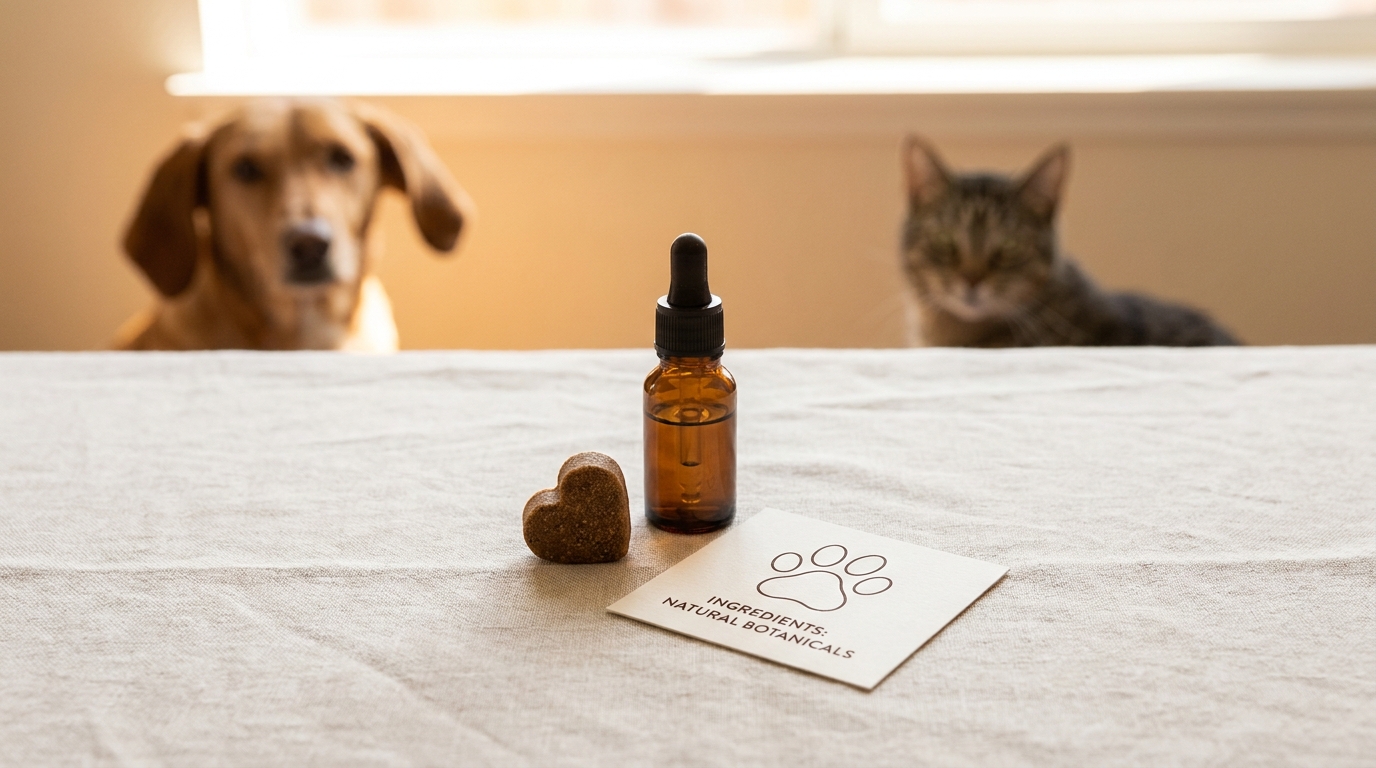
When browsing HempPet, you’ll typically see a few common formats. The right choice depends on your pet’s preferences and how much flexibility you want when measuring servings.
- Soft chews: Often easiest for dogs who already take daily treats. Some cats will take chewable treats, but many won’t—so check whether the label specifically lists cats and whether the chew size/texture is cat-friendly.
- Oil or tincture-style drops: A common choice for both dogs and cats because you can mix with food. Oils are also practical for households that want more control over serving size adjustments within the label’s directions.
- Topical-style items (when available): Chosen by some pet parents who prefer external application, but these still require careful label-checking (species listed, application directions, and warnings).
If you want to compare what’s currently in stock, you can browse our HempPet selection in one place.
Tip for building a complete care plan: supplements are commonly paired with consistent parasite protection as part of an overall routine. If you’re already buying monthly essentials, it can be easier to stay consistent when you order everything together.
What “hemp” means on a pet supplement label
“Hemp” can refer to different ingredients, and the label should make clear what you’re actually buying. Two common categories you may see are:
- Hemp seed (or hemp seed oil): Typically used as a nutritional ingredient (fatty acids). This is different from hemp extract.
- Hemp extract: A broader term that may include naturally occurring cannabinoids. Some products specify cannabinoid content; others do not.
Because labeling can vary widely across hemp-derived supplements, it’s smart to verify a few trust signals before purchase:
- Species and life stage: Make sure the product is clearly intended for dogs, cats, or both. If your pet is very young, senior, pregnant, or nursing, ask your veterinarian before starting any new supplement.
- Weight range guidance: Many products list serving guidance by weight. Confirm the label includes a weight-based chart or clear directions that match your pet.
- Ingredient clarity: Look for a straightforward ingredient list (including flavorings) so you can screen for sensitivities.
- Cannabinoid transparency (if applicable): If the product uses hemp extract, check whether the label indicates cannabinoid content (such as total cannabinoids) and whether the brand provides a Certificate of Analysis (COA) you can review.
- Quality indicators: Many pet parents look for third-party testing and recognizable quality programs (for example, an NASC seal when available) as added reassurance.
If you can’t quickly confirm what type of hemp ingredient is used or how quality is verified, consider choosing a product with clearer labeling. Transparency is a major part of shopping confidently in this category.
How to pick the right HempPet option
Choosing between HempPet chews vs oil usually comes down to a few practical questions: What will your pet reliably accept? Who administers it (one person or several)? And do you need flexible measuring?
Start with acceptance. For many dogs, chews are the simplest because they feel like a treat. For cats (and selective eaters), an oil mixed into a small portion of food may be easier to introduce—especially if you can start with a tiny taste test of the texture and aroma before committing.
Match it to your routine. If your mornings are hectic, a chew can be faster than measuring drops. If you have multiple caregivers, a pre-portioned format can reduce confusion and help everyone stay consistent.
Quick tip: Before you buy a full-size product, confirm your pet tolerates the format by testing a similar texture (a soft chew treat or a small amount of oil mixed into food) for a few days—then choose the HempPet format that’s easiest to repeat.
Verify the label before you commit. Look for clear serving directions by weight, storage instructions, and a complete ingredient list. If the product uses hemp extract, see whether a COA is available and whether cannabinoid content is stated in a way you can understand and compare.
Use responsible safety habits. Hemp-derived supplements can interact with your pet’s individual health status and other products. Ask your veterinarian before starting if your pet:
- is pregnant or nursing
- has liver disease or a history of elevated liver enzymes
- takes sedatives, anti-anxiety medications, seizure medications, or other ongoing prescriptions
- has a planned procedure that may involve anesthesia or sedation
When you start any new supplement, monitor for changes like unusual sleepiness, digestive upset, appetite changes, or itching. Stop use and contact your veterinarian if you notice adverse effects.
Value, quality, and how to shop smarter
HempPet’s popularity isn’t only about convenience—many shoppers also want predictable value. To compare options more objectively, look beyond the front label and evaluate what you’re getting per container.
How to evaluate quality and value:
- Count the servings per container: Chews are straightforward (count the chews). For oils, check the bottle size and how many servings the label lists.
- Estimate cost per day: Divide the price by the number of days the container lasts for your pet’s weight range (based on the label directions). This is often more helpful than comparing sticker price.
- Look for less waste: A format your pet refuses is the most expensive option. If your pet is picky, paying a bit more for an easier-to-administer format can be the better value.
- Check storage and shelf life: Oils and chews can have different storage needs. Read the label for “store in a cool, dry place,” “keep sealed,” and best-by guidance so the product stays fresh through the last serving.
- Prioritize transparency: Clear labeling, quality testing info, and COA availability (when hemp extract is used) can be worth prioritizing when comparing similar products.
It’s also smart to keep priorities in order. Supplements can be part of a routine, but they shouldn’t replace core essentials. Many households make sure parasite prevention is covered first, then add wellness items like HempPet where they make sense.
For current availability and to compare options quickly, visit HempPet products in our store and choose the format that best matches your pet’s habits.
Who it’s for / who should skip (quick checklist):
- Good fit for: pet parents who want a simple add-on, pets who accept chews or tolerate oils mixed into food, and households that prefer clear, repeatable routines.
- Consider skipping or pausing: pets with complex medical conditions unless your veterinarian approves, pets that have had previous reactions to supplements, and households that can’t reliably follow the label directions.
Frequently Asked Questions
What makes HempPet popular with pet owners?
Many pet parents like HempPet because it’s easy to add to a routine and comes in familiar formats. Shoppers also tend to value clear directions and a product they can administer consistently.
Is HempPet for dogs and cats, or just dogs?
It depends on the specific item. Some products are labeled for dogs, some may be labeled for cats, and some may list both species. Always confirm the species and weight guidance on the package before purchasing.
How do I choose between HempPet chews vs oil?
Chews are often simplest for treat-motivated dogs and for quick, no-mess use. Oils can be easier for mixing into food and may be a better fit for many cats or picky eaters. Choose the format your pet will reliably take and that you can administer consistently.
What should I look for on the label when shopping hemp-based pet supplements?
Look for the intended species, weight-based serving guidance, a complete ingredient list, and storage instructions. If the product uses hemp extract, check for cannabinoid transparency and whether a Certificate of Analysis (COA) is available.
Can I use HempPet alongside parasite prevention?
Many pet owners use supplements as part of a broader care plan that includes parasite prevention. If your pet takes other medications or you’re unsure about combining products, your veterinarian can help you decide what fits your pet’s needs.
Ready to shop? Browse our HempPet collection and choose the format that best fits your pet’s routine.