

Wondering whether Whimzees are actually worth the price compared with other dental chew options? This practical Whimzees review focuses on what “value” really means: cost per chew, how long one chew tends to last for your dog, and how consistently you can use it as part of a routine. Many shoppers search for the best dental chews for dogs, but the best pick is rarely the cheapest bag—it’s the chew that your dog can handle safely, enjoys, and uses often enough to make a difference.
What you’re really getting with Whimzees
Whimzees dental chews are plant-based chews designed to help mechanically scrub teeth while your dog gnaws. Their value proposition is consistency: recognizable shapes, clear sizing, and a firmer texture intended to encourage longer chewing than a soft treat. For many dogs, that extra chewing time is what makes a dental chew feel “worth it,” because more time chewing generally means more contact with tooth surfaces.
Another reason some pet parents stick with Whimzees is predictability from bag to bag. If you’ve found a size and shape that works for your dog’s chewing style, consistency can reduce wasted money on products your dog won’t finish or can’t tolerate. Ingredient simplicity can also be a plus when you’re trying to minimize variables for dogs with sensitive stomachs.
If you want to compare options quickly, browse Whimzees to see available sizes and shapes side by side. When you’re weighing Whimzees vs other dental chews, focus on what your dog actually does with the chew: do they gnaw steadily, try to crunch and swallow, or walk away after a minute?
Value check: cost per chew, size, and chew time
“Better value” usually starts with cost per chew, but that number can mislead if it ignores chew time. A lower-cost chew that disappears quickly may cost more per week than a higher-cost chew that keeps your dog engaged longer. To compare value, look at three factors together: price per chew, correct sizing for your dog, and real-world chew time.
- Cost per chew: Divide the bag price by the number of chews. Only compare chews intended for similar dog sizes.
- Correct sizing: A too-small chew can be gulped faster and may be less effective for scrubbing.
- Chew time: Longer chewing often means better “value per minute,” as long as the chew is safe for your dog.
Below is a simple, example-only way to think about “cost per minute.” Prices and chew times vary by product, dog, and chewing style, so use this as a framework rather than a promise.
| Dog size | Typical chew-time range (supervised) | Example cost/chew | Example cost per 10 minutes |
|---|---|---|---|
| Small | 5–15 minutes | $0.70 | $0.47–$1.40 |
| Medium | 10–25 minutes | $1.10 | $0.44–$1.10 |
| Large | 15–40 minutes | $1.60 | $0.40–$1.07 |
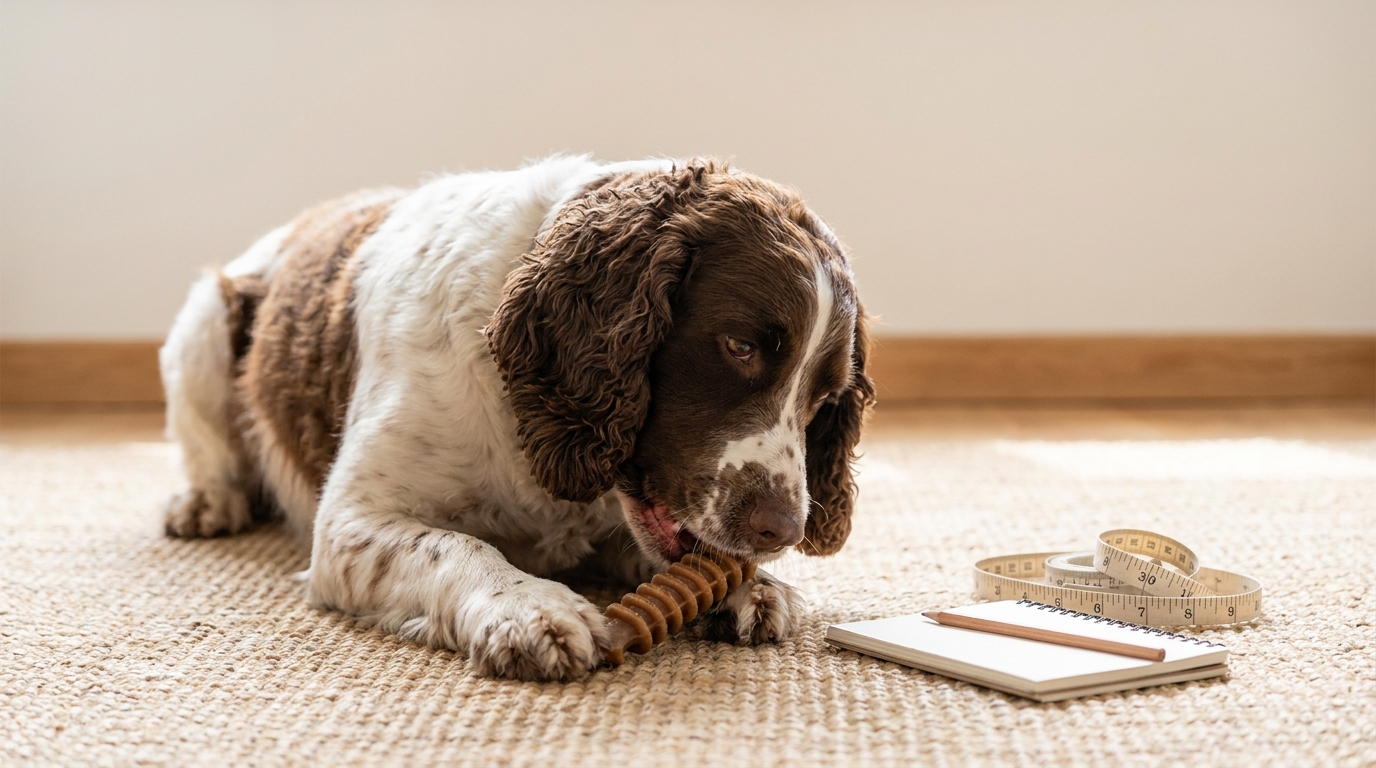
How to use the table idea with your own cart: pick a chew you’re considering, time one session, then do the math. If a chew lasts 20 minutes and costs $1.20, that’s $0.60 per 10 minutes. If a cheaper chew costs $0.80 but lasts 5 minutes, that’s $1.60 per 10 minutes—less value for many dogs.
Quick tip: Time one chew session (supervised) and write down the chew time. Use that real number—plus cost per chew—to compare “value per minute” across options.
Common alternative types (and when they’re better value)
Alternatives can absolutely be better value than Whimzees, depending on your dog’s chewing style and your goals. Instead of thinking in terms of “good vs bad,” it helps to compare types of dental chews and what they’re designed to do.
- VOHC-accepted options: Some chews carry a seal indicating they’ve met specific criteria for helping reduce plaque and/or tartar. If you want a standardized benchmark, this is one attribute to look for when comparing the best dental chews for dogs.
- Enzymatic dental chews: Some products include enzymes intended to support oral hygiene alongside chewing action. These can be a good value if your dog doesn’t chew for long, because you may be relying on more than mechanical scrubbing alone.
- Softer daily chews: Softer textures can be easier for seniors or gentle chewers to manage. If your dog won’t commit to a longer gnaw, a softer daily chew may get used more consistently—which often improves overall value.
Where Whimzees dental chews often shine is durability for dogs who like to gnaw. Where alternatives often win is routine friendliness: a chew your dog finishes calmly, without stomach upset, and without you worrying about overly hard textures may be the best long-term buy—even if it looks less “premium” on the shelf.
Safety and fit: choose the right size and hardness
Any dental chew—Whimzees or an alternative—should be chosen with safety in mind. The “best value” stops being a value if a chew is too small (choking risk), too hard for your dog (tooth damage risk), or causes digestive upset.
- Match size to your dog’s weight range and chewing style: Using the correct size helps reduce gulping and encourages safer, steadier chewing.
- Consider hardness: Very hard chews can increase the risk of tooth fractures in some dogs, especially aggressive chewers. If you’ve ever noticed cracked teeth, bleeding gums, or your dog biting down with a sudden yelp, pause chews and ask your veterinarian what textures are safest.
- Supervise and remove small pieces: If the chew breaks into chunks that could be swallowed, take it away and replace with a more appropriate size or style.
- Watch for GI upset: If vomiting, diarrhea, excessive gas, or loss of appetite occurs, discontinue the chew and check in with your veterinarian—especially when trying a new product.
These guidelines are general on purpose: dogs vary widely. Your veterinarian can help you select a chew texture and size that fits your dog’s teeth, age, and chewing intensity.
Which option to buy for your dog
Use this decision guide to choose between Whimzees vs other dental chews without overthinking it. A “best dental chews for dogs” list can be helpful, but your dog’s chewing behavior is the real tiebreaker.
- Pick Whimzees if: your dog is a steady gnawer, you want consistent sizing and shapes, and you’re prioritizing longer chew time per treat.
- Pick an alternative if: your dog is a light chewer, needs a softer texture, or you’re prioritizing a daily routine chew that gets finished reliably.
- Consider VOHC-accepted or enzymatic options if: you want a more standardized “dental benefit” attribute or your dog doesn’t chew long enough to get much mechanical scrubbing.
- Either way: introduce new chews gradually, supervise chewing, and store the bag sealed to keep chews fresh and appealing.
If you’re still deciding, this Whimzees review takeaway is simple: Whimzees often win on durability and repeatability, while alternatives can win on daily ease and upfront price. When in doubt, start with a smaller pack size so you can test real chew time and tolerance before committing.
Ready to compare shapes and sizes? Check current availability in our Whimzees collection to find the best fit for your dog.
Frequently Asked Questions
How often should I give dental chews?
Many dogs do best with a consistent routine, but the ideal frequency depends on the specific product, your dog’s calorie needs, and how their stomach handles chews. Follow the package guidance, keep treats within a reasonable portion of daily calories, and ask your veterinarian if you’re building a plan for weight management or dental concerns.
Are Whimzees a good everyday dental chew?
For many dogs, yes—especially if they chew steadily and tolerate the ingredients well. The key is consistent use and choosing the correct size and texture for your dog.
Are dental chews OK for puppies or seniors?
It depends on age, teeth, and chewing habits. Puppies may chew aggressively or have developing teeth, and seniors may have worn teeth or dental disease that makes harder chews uncomfortable. Look for age-appropriate products and ask your veterinarian which chew textures are safest for your dog’s stage of life.
What does the VOHC seal mean?
The VOHC seal is an attribute some dental products carry to indicate they’ve met specific criteria for helping reduce plaque and/or tartar. It doesn’t mean brushing is unnecessary, but it can be a useful filter when you’re comparing options.
How do I compare dental chews for value without guessing?
Start with cost per chew, then time one supervised chew session to estimate “value per minute.” Compare only similarly sized chews, and factor in whether your dog actually finishes the chew safely and comfortably.
Do dental chews replace tooth brushing?
No. Dental chews can support oral hygiene, but they don’t fully replace brushing and professional dental care. Think of chews as a helpful add-on that can make your overall routine easier to maintain.
Shop smart and choose the chew your dog will use consistently: browse Whimzees and pick the size that matches your dog’s chewing style. If you’re unsure what’s safest for your dog’s teeth or chewing habits, talk with your veterinarian.