

Shopping for Nugard can feel overwhelming because the brand covers multiple parasite prevention needs across dogs and cats. This buyer’s guide breaks down how Nugard options typically differ, what to check on labels, and how to pick the best fit for your pet and routine.
If you’re looking for a clear Nugard review that focuses on practical buying decisions, start here.
What Nugard is (and what it’s for)
Nugard is a vet-grade parasite prevention brand designed to help protect pets from common external and internal parasites. Depending on the specific item, it may be intended for fleas, ticks, worms, or a combination—so it’s important to treat the brand name as a starting point, not the whole story.
In this guide, “Nugard” refers to the broader range rather than one single formula. For the fastest way to browse what’s currently available, visit our Nugard brand page.
One of the most common buying mistakes is assuming two products with similar packaging provide the same coverage. Parasite prevention is label-driven: the details on the box and product description (species, weight range, and targeted parasites) matter more than the brand name alone.
Types of Nugard products you’ll see
Most Nugard products fall into a few familiar formats. The format matters because it affects how easy it is to give, how well it fits your household routine, and how you’ll remember ongoing protection.
- Topical spot-on: Applied to the skin; often chosen for straightforward recurring routines.
- Oral chew or tablet: Given by mouth; useful for pets that dislike topical handling or for owners who prefer not to apply liquids to the coat.
- Collars: Longer-wear options that can be convenient for owners who want fewer repeat applications.
- Worming-focused products: Some items are aimed at intestinal parasites, which may be separate from flea/tick coverage.
Within each format, there are usually variations by pet species and size. Always match the product to “dog vs. cat” and the correct weight band shown on the pack.
If you’re comparing options, think about your pet’s daily life and your own habits. A format you can apply correctly, on time, and with minimal stress is often the best practical choice.
How to choose the right Nugard option
A good Nugard review should start with your real goal: what you’re trying to prevent, and how reliably you can stick to the schedule. Before adding anything to cart, take a minute to answer these questions:
- Species: Is it labeled for your pet (dog or cat)? Never substitute between species.
- Weight range: Is your pet currently within the labeled weight band?
- Parasite coverage: Are you targeting fleas, ticks, worms, or multiple issues?
- Delivery preference: Will your pet accept a chew, or is topical application easier?
- Household factors: Do you have multiple pets that groom each other, or children who may touch a topical application site?
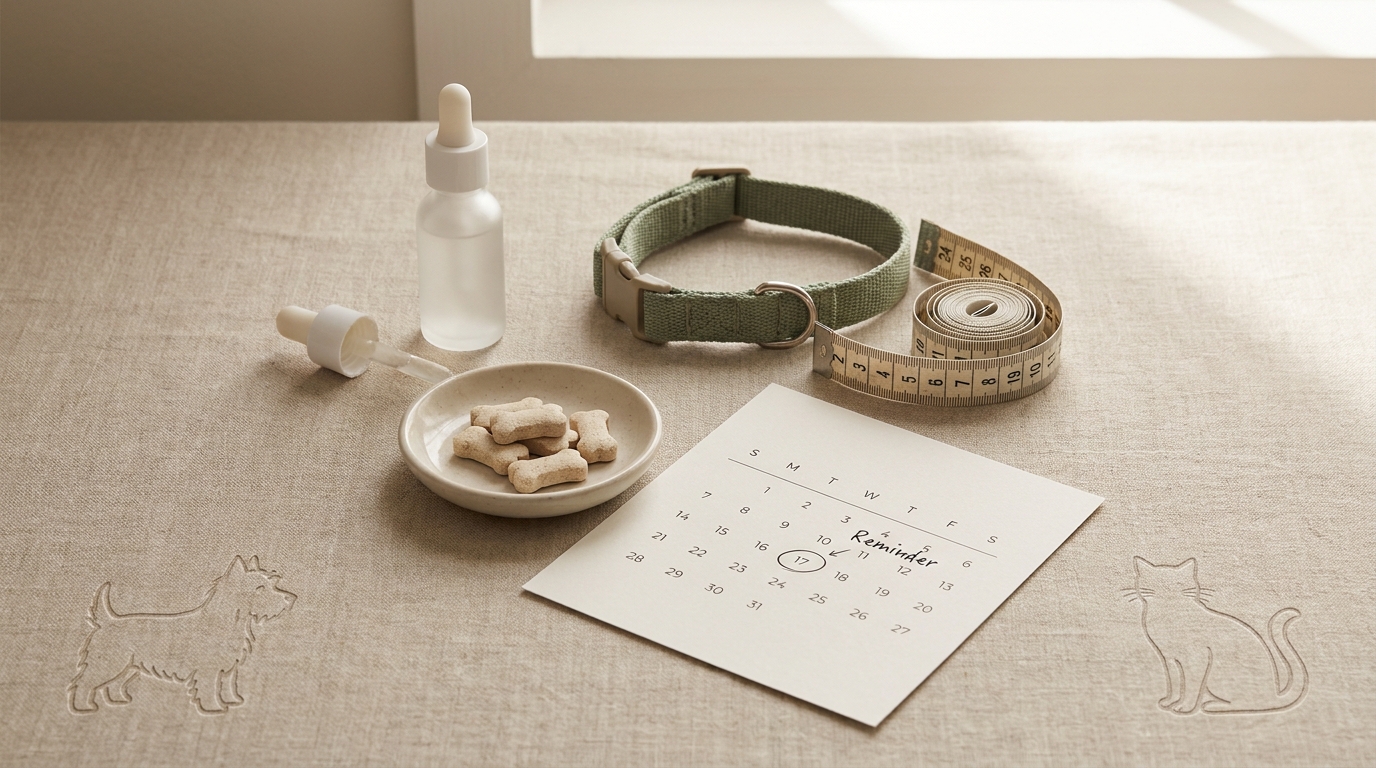
Quick tip: Put the reorder date on your calendar the day you open the box. That way you can buy the next round of protection before you run out.
If you’re building a full prevention plan, some pet parents choose separate products for external parasites and intestinal parasites rather than trying to do everything at once. The key is avoiding gaps and avoiding overlap of similar actives unless the label specifically supports it.
If you’re unsure what parasites you need to cover, your veterinarian can help you choose a plan based on your pet’s age, lifestyle, and health history. That guidance is especially helpful for very young, senior, pregnant, or nursing pets, or for pets with a history of sensitivity.
Key features to compare before you buy
Not all Nugard products are interchangeable. Use these comparison points to narrow to the best match for your pet and your lifestyle.
- Coverage scope: Confirm which parasites are listed on the packaging and product description. Flea coverage isn’t automatically tick coverage, and worming may be separate.
- Duration: Some products are designed for recurring use, while others are meant for longer wear. Choose what you can stick to consistently.
- Pet comfort and handling: If your pet dislikes topical application, an oral option may reduce stress. If your pet is picky with chews, a topical may be simpler.
- Household fit: For topicals, consider contact risk while the application dries and whether pets tend to lick each other.
- Value per dose: Compare price by dose (or by weeks/months of coverage) instead of box price alone—especially when you’re stocking up.
Also compare how easy it is for you to administer correctly. For example, topicals typically require a clear application site on the skin, while oral options require your pet to swallow the entire dose. The “best” product on paper won’t help if it’s hard to give reliably.
When in doubt, start with the product that best matches your pet’s size and your ability to administer it correctly every time. Consistency is often what separates “works well” from “didn’t seem to help.”
Smart buying, storage, and safety tips
Buying parasite prevention online is convenient, but you’ll get better results when you treat it like a routine rather than a one-time purchase. These practical steps help protect your budget and your pet.
- Buy for the current weight band: If your pet is between sizes, don’t guess—use the label guidance and your pet’s most recent weight.
- Check the box contents: Multi-dose packs can be more cost-effective, but only if you can use them before the expiration date.
- Store correctly: Keep products in their original packaging and store in a cool, dry place away from direct light and curious pets.
- Follow application directions: For topicals, part the fur and apply to the skin where directed. For oral products, ensure the full dose is swallowed.
- Watch for sensitivity: If you notice unusual irritation, stomach upset, or behavior changes after use, discontinue and seek professional advice.
If you use a topical product, consider your household schedule for the day you apply it. It may be easier to apply when you can supervise pets and limit close contact until the application site is dry, as directed by the label.
To see current availability and choose by pet type and size, shop our full selection of Nugard products.
Frequently Asked Questions
Are Nugard products for dogs and cats the same?
No. Even if the brand name is the same, dog and cat items are formulated and labeled differently. Always choose a product specifically labeled for your pet’s species and weight range.
Can I use Nugard for both fleas and worms?
It depends on the specific product. Some focus on external parasites like fleas (and sometimes ticks), while others focus on intestinal parasites. Read the label and product description carefully to confirm coverage.
Should I buy a multi-pack or single dose?
Multi-packs often lower the cost per dose and reduce the chance of missed months. Single doses can be a good fit if you’re trying a new format for the first time or if your pet’s weight is changing.
What if my pet vomits or I’m not sure the product was applied properly?
Check the product label and contact your veterinarian for next steps. With oral products, vomiting can affect whether a full dose was received. With topicals, incorrect placement (for example, on fur instead of skin) can reduce effectiveness and increase the chance of pets licking the product.
Ready to choose? Browse our Nugard collection to find the right size and format for your pet, and chat to your vet if you’re unsure which parasites you need to cover.