

Shopping for dog supplies can feel overwhelming—especially when you want quality without overspending. This practical dog essentials guide focuses on top everyday needs that keep care simple, safe, and budget-friendly.
Whether you’re stocking up for a new companion or upgrading your routine, the goal is the same: choose durable items that fit your dog’s size, life stage, and habits—then use them consistently.
Everyday Essentials That Make Life Easier
The most useful supplies are often the basics you’ll reach for multiple times a day. Focus on three things: correct fit, easy cleaning, and hardware that holds up to real use.
- Collar or harness + ID: Choose adjustable materials and sturdy hardware. Your dog should be able to breathe and move comfortably during walks and daily wear.
- Leash and waste bags: A dependable leash plus easy-access bags make outings smoother and help you stay consistent.
- Food and water bowls: Non-slip, washable bowls keep mealtimes tidy. Consider stainless steel or heavy-duty materials if your dog likes to push bowls around.
- Bed or crate mat: Pick a washable option with enough cushioning for rest and joint comfort.
Buying guidance: For everyday walking, many owners prefer a standard-length leash that’s easy to control in shared spaces, plus a longer option for training sessions where you want more freedom without going off-leash. For bowls, choose a width and depth that fit your dog’s muzzle (flatter faces often do better with wider bowls). For a crate mat, measure the interior floor space of your crate so the mat lies flat without bunching at the edges.
How to size a collar: Measure around your dog’s neck where the collar sits (usually mid-neck). A common fit check is that you can slide two fingers between the collar and your dog’s neck. Too tight can chafe; too loose can slip over the head.
How to size a harness: Most harnesses use a girth measurement (around the deepest part of the chest, just behind the front legs) plus a neck measurement. If your dog is between sizes, check the brand’s sizing notes and prioritize adjustability. Watch for rubbing behind the front legs, and re-check fit as puppies grow or if your dog’s weight changes.
If your dog pulls, a well-fitted harness can be a practical upgrade for control and comfort. In busy households, a backup leash and an extra set of bowls can save you from last-minute scrambling.
Parasite Prevention Products Worth Prioritizing
If you’re building a dog essentials checklist, parasite prevention is one of the highest-impact categories. Keeping fleas, ticks, and internal parasites in check supports your pet’s comfort and helps protect your home environment.
At Discount Pet Medication, we focus on affordable vet-grade parasite prevention so you can stick to a consistent routine without paying premium prices. When comparing options, prioritize a clear schedule, easy administration, and coverage that fits your dog’s lifestyle.
- Flea and tick preventatives: Designed to support ongoing comfort and help reduce pest exposure.
- Heartworm prevention: A key part of responsible care for many dogs.
- Broad parasite coverage options: Some products combine multiple protections to simplify your routine (for example, different combinations may cover fleas, ticks, heartworm, and certain intestinal worms).
Quick tip: Put prevention on a recurring calendar reminder and reorder early so you never miss a dose window—consistency is what makes these products most effective.
Store note for safer shopping: Some preventatives require a prescription, and many are species- and weight-specific. Before purchasing, confirm you’re selecting a product labeled for dogs (not cats), and verify your dog’s current weight range so you don’t accidentally choose the wrong strength or format.
Use responsibly: Parasite preventatives are commonly weight- and age-specific, and some are not appropriate for certain life stages or health conditions. Always follow label directions and use the product intended for your dog’s current weight range. Consult your veterinarian for puppies, pregnant or nursing dogs, seniors, or dogs with a history of medication sensitivities.
Multi-pet safety: If you have multiple pets, store each pet’s products separately to avoid mix-ups, and never use dog-only products on cats. If a household pet has a reaction or you accidentally apply the wrong product, contact a veterinarian promptly.
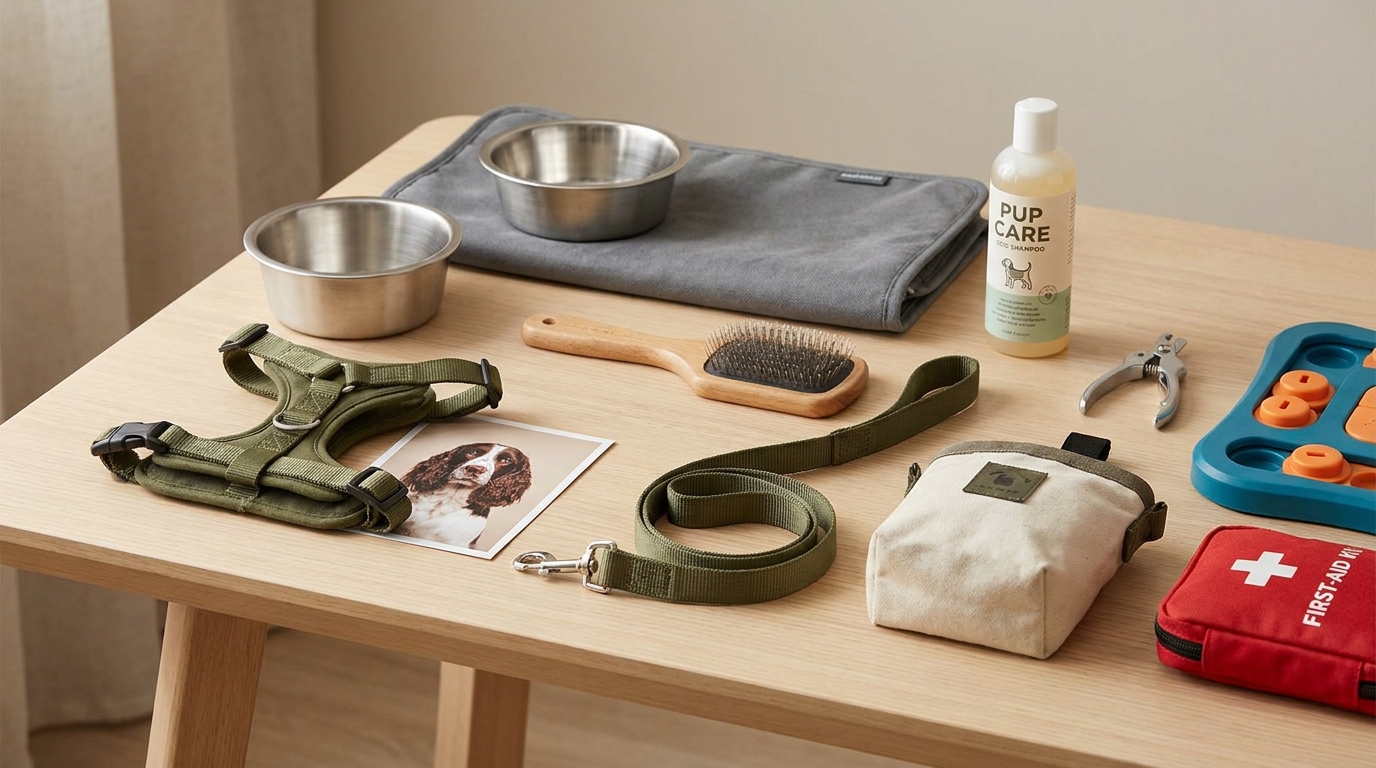
Skin, Coat, and Grooming Must-Haves
Good grooming isn’t just about appearance—it supports skin health, reduces shedding, and helps you notice changes early. The best grooming tools are the ones you’ll use regularly without stressing your dog (or yourself).
- Brush or deshedding tool: Match the tool to coat type (short, double, curly, long). Using the wrong tool can cause irritation or break coat.
- Gentle shampoo: Choose a formula made for dogs to help avoid dryness. Human products can be too harsh for canine skin.
- Nail trimmers or grinder: Start slow, reward often, and keep sessions brief to build cooperation.
- Ear and paw care basics: Keeping ears and paws clean supports everyday comfort, especially after messy walks.
Buying guidance: If your dog has a dense undercoat, a tool designed for that coat type can reduce shedding with less irritation than “one-size-fits-all” brushes. For shampoo, look for an option that rinses clean and doesn’t leave residue (leftover product can contribute to itchiness). For nail care, choose a tool you can control confidently—steady handling matters more than the style.
Simple routine that works for most dogs: Brush a few times a week (more for long coats), do a quick paw check after walks, and keep nails from getting overgrown. For nail care, trim small amounts at a time and avoid cutting into the quick. If your dog has dark nails or you’re unsure, ask a groomer or veterinarian to show you safe trimming techniques.
If your dog has sensitive skin, stick to fewer products with straightforward ingredient lists, and introduce new grooming products one at a time so you can spot irritation early.
Health Support Basics: From Teeth to Tummies
Small, consistent habits can make a big difference in overall wellness. For many families, the most useful items in this category are preventive—supporting comfort and routine rather than reacting to problems.
- Dental care: Toothbrushes, dog-safe toothpaste, and dental chews can support fresher breath and cleaner teeth when used consistently.
- Digestive support: Some dogs do well with simple supplements formulated to support gut balance—especially during routine changes like food transitions.
- Joint support: Often considered for active dogs, larger dogs, or aging dogs to support mobility and comfort.
- First-aid basics: Keep a simple kit for minor scrapes and everyday mishaps.
Buying guidance: For dental chews, size matters—choose an option meant for your dog’s weight and chewing style to reduce choking risk. For supplements, pick products made for dogs with clear labeling and a simple ingredient list. For a first-aid kit, choose a compact container that’s easy to grab quickly and restock, then store it in a consistent spot.
Safety notes for chews and supplements: Choose chews that match your dog’s size and chewing style, supervise chewing, and remove items that start to splinter, crack, or break into large chunks. When introducing any new wellness product, change one thing at a time and monitor for digestive upset or itching. If your dog has ongoing symptoms or takes other medications, check in with your veterinarian before adding new supplements.
First-aid basics to keep on hand: Gauze pads, self-adhesive wrap, saline for gentle rinsing, tweezers, and a digital thermometer are common staples. Keep your vet’s phone number accessible and know where the nearest emergency clinic is, just in case.
Training and Enrichment for a Happier Home
Training tools and enrichment toys aren’t “extras”—they’re practical essentials that support good behavior and reduce boredom. For many households, mental stimulation is just as important as physical exercise.
- Treat pouch + training treats: Helps you reward quickly and reinforce the behaviors you want, right when they happen.
- Interactive toys: Puzzle-style play can keep dogs busy and engaged, especially during downtime.
- Chews: A safe, appropriate chew can redirect destructive chewing habits and provide calming activity.
- Calming aids: Useful for occasional stressful events when paired with a supportive routine and training plan.
Buying guidance: Pick puzzle toys based on how your dog plays—beginners often do best with simpler designs before moving up in difficulty. For chews, choose the correct size and supervise until you know how quickly your dog gets through it. For calming aids, start with products that have clear instructions and use them alongside training and predictable routines, not as a replacement.
Chew and toy safety basics: Pick the right size (too small can be a choking hazard), supervise new toys until you know how your dog uses them, and retire toys that are torn or missing pieces. If your dog is a powerful chewer, choose durable materials and avoid toys with easy-to-pull-off parts.
Aim for variety: rotate toys, keep training sessions short and upbeat, and reward calm behavior. Consistency matters more than having the most gear—one or two well-chosen tools can go a long way.
Budget Tips and a Quick Comparison Checklist
You don’t have to buy everything at once. Start with safety and routine first (walking gear, bowls, a bed or mat, and parasite prevention), then add grooming and enrichment as you learn what your dog actually uses.
- Buy fewer, better basics: A sturdy leash, washable bed, and durable bowls often outlast multiple cheap replacements.
- Prioritize easy cleaning: Washable fabrics and dishwasher-safe bowls can save time and help control odors.
- Match the product to the habit: Heavy chewer? Choose durability over cute details. Sensitive skin? Choose fewer grooming products with simple formulas.
- Plan ahead for prevention: Set reminders and reorder early to avoid gaps, especially when choosing products based on weight.
| Category | What to look for | Cleaning/maintenance |
|---|---|---|
| Leash & hardware | Strong clasp, comfortable grip, appropriate length for control | Wipe down; replace if frayed or hardware sticks |
| Bowls | Stable base, dog-appropriate size, durable material | Wash regularly; inspect for cracks or rough edges |
| Bed/crate mat | Washable cover, supportive fill, correct measurements | Launder per label; replace if stuffing clumps or cover tears |
| Grooming tools | Coat-type match, gentle design, easy-to-hold handle | Remove hair after use; sanitize as needed |
Frequently Asked Questions
What are the most important products to buy first?
Start with daily essentials (collar or harness, leash, bowls, bed) and a reliable parasite prevention plan. These cover safety, comfort, and ongoing protection right away.
How do I choose the right parasite prevention product for my dog?
Start with your dog’s current weight range and age, then choose a format you can give consistently (that’s a big part of what makes routines work). Always follow label directions, and consult your veterinarian for puppies, pregnant or nursing dogs, or pets with health conditions. Some preventatives require a prescription, and you should confirm species and weight before purchase to help prevent mix-ups.
Can I use the same grooming products for every dog?
Not always. Coat type and skin sensitivity vary, so a brush or shampoo that works for one dog may not suit another. Choose tools and formulas that match your dog’s coat and comfort needs, and introduce new products gradually.
Conclusion: Build a Routine With the Right Essentials
The most helpful dog supplies are the ones that fit your dog’s size, life stage, and daily routine—then get used consistently. Start with fit, safety, and cleanliness, prioritize parasite prevention, and add grooming, wellness support, and enrichment over time.
Ready to upgrade your routine without overspending? Browse Discount Pet Medication for affordable, vet-grade parasite prevention and everyday essentials—if you’re unsure what fits your pet, have a quick chat with your veterinarian.