

Cat spraying is one of the most frustrating behaviors a pet owner can face — that unmistakable smell on walls, furniture, and doorways can quickly turn your home into a battleground. Understanding why cats spray urine is the first step toward solving the problem. The good news is that most cases of urine marking can be managed or eliminated entirely with the right approach.
What Is Cat Spraying?
Spraying — also called urine marking — is when a cat deposits a small amount of urine on a vertical surface like a wall, piece of furniture, or door frame. The cat typically backs up to the surface, raises its tail (which may quiver), and releases a targeted spray.
This is fundamentally different from simply urinating. When a cat urinates normally, it squats and leaves a larger puddle on a horizontal surface. Spraying is a deliberate communication tool, not a bathroom accident.
Both male and female cats can spray, though unneutered males are the most frequent offenders. Even spayed and neutered cats occasionally mark, especially when triggered by stress or environmental changes.
Common Reasons Cats Spray
Cats spray for several reasons, and identifying the trigger in your household is essential to fixing the behavior. Here are the most common causes:
- Territorial marking: Cats are territorial by nature. The introduction of a new pet, a stray cat visible through a window, or even a new person in the home can trigger marking behavior.
- Stress and anxiety: Changes in routine — a move, renovation, new furniture, or schedule shifts — can leave cats feeling insecure. Spraying is their way of creating a familiar scent environment.
- Mating behavior: Intact (unneutered or unspayed) cats spray to advertise their availability to potential mates. This is one of the strongest motivators for urine marking.
- Multi-cat conflict: In households with multiple cats, social tension often manifests as spraying. Even subtle competition over resources — food, water, resting spots — can be enough.
- Medical issues: Urinary tract infections, bladder inflammation, and other feline health conditions can cause changes in urination habits that look like spraying.
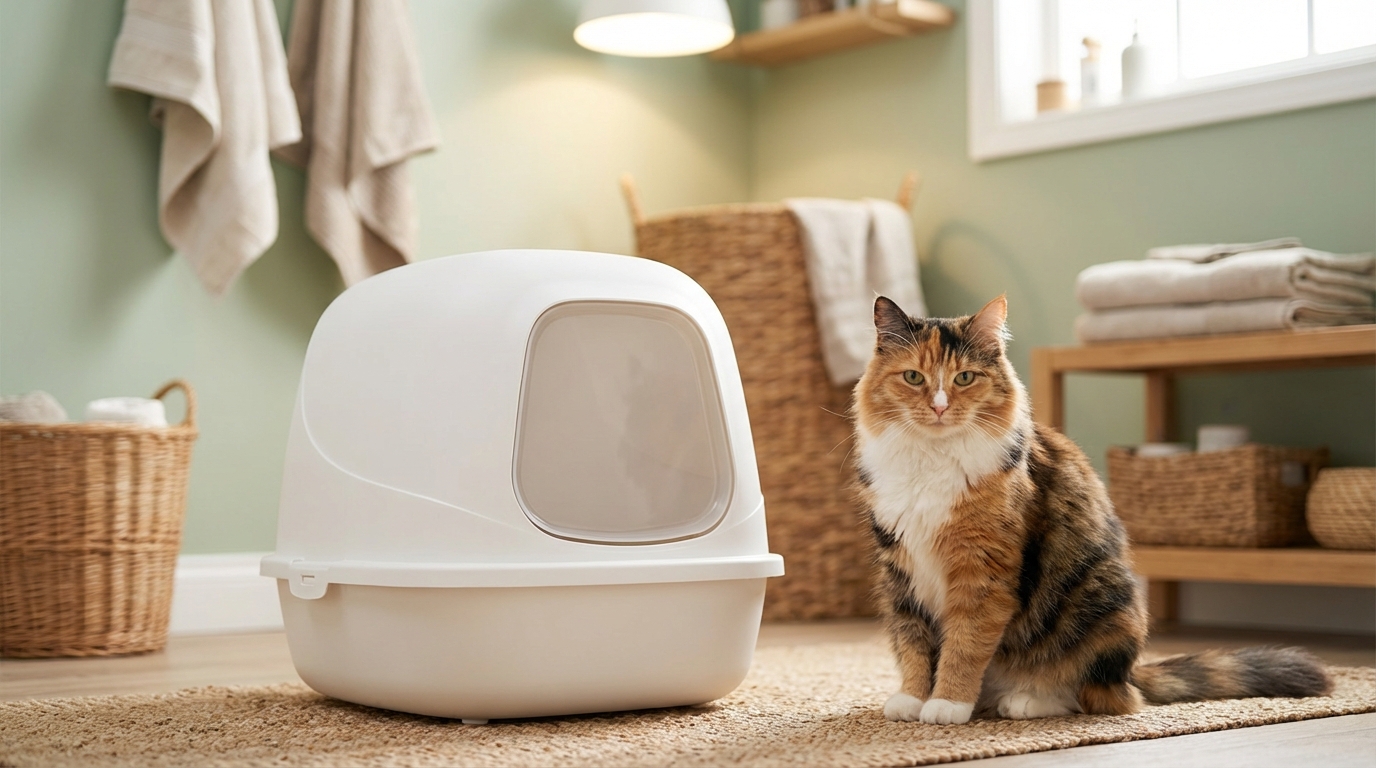
Spraying vs. Litter Box Problems
Before you tackle spraying, make sure you're dealing with actual marking behavior and not a litter box aversion. Cats that are unhappy with their litter box — because it's dirty, in a noisy location, or uses an unpleasant litter — will urinate outside of it, often on horizontal surfaces.
True spraying targets vertical surfaces with small amounts of urine. Litter box avoidance typically involves larger volumes on floors, beds, or laundry. The distinction matters because the solutions are different.
A quick test: if your cat is producing full-sized puddles on flat surfaces, start by improving the litter box situation. Scoop daily, provide one box per cat plus one extra, and experiment with different litter types.
Quick tip: Place litter boxes in quiet, low-traffic areas and avoid positioning them near food or water bowls. Cats are more likely to use — and less likely to spray near — a box that feels private and safe.
How to Stop Your Cat From Spraying
Neuter or spay your cat. If your cat is intact, this is the single most effective step. Studies suggest neutering reduces spraying in roughly 90% of male cats and a significant percentage of females. The sooner it's done, the less likely the behavior becomes a learned habit.
Reduce environmental stress. Identify and minimize triggers. Block window views of outdoor cats with frosted film, introduce new pets gradually, and maintain a consistent daily routine. Synthetic pheromone diffusers can help create a calming atmosphere in problem areas.
Clean marked areas thoroughly. Cats return to spots that smell like their previous marks. Use an enzymatic cleaner designed specifically for pet urine — standard household cleaners won't break down the proteins that cats can still detect.
Add vertical space and resources. In multi-cat homes, tension drops when every cat has access to its own perches, scratching posts, and hiding spots. Cat trees and wall-mounted shelves can dramatically reduce competition and the urge to spray.
Consider calming supplements. Products containing L-theanine or other calming ingredients for cats can take the edge off anxiety-driven spraying. Browse cat supplements and calming aids that support relaxed behavior without sedation.
When a Health Issue Is Behind the Spraying
Sometimes what looks like behavioral spraying is actually a symptom of a medical problem. Feline lower urinary tract disease (FLUTD), bladder stones, kidney issues, and even diabetes can change how and where your cat urinates.
Signs that a health problem may be involved include straining to urinate, blood in the urine, increased frequency, or vocalizing during urination. Sudden onset of spraying in a previously well-behaved cat is another red flag.
Keeping your cat healthy overall — including staying current on regular parasite prevention — supports urinary and general wellness. Internal parasites and the stress they cause can sometimes contribute to behavioral changes.
Frequently Asked Questions
Do female cats spray or is it only males?
Both male and female cats can spray, though it's more common in intact males. Spayed females occasionally spray too, especially when stressed or in multi-cat households. The behavior is not exclusive to one sex.
Will neutering stop my cat from spraying immediately?
Neutering eliminates the hormonal drive behind spraying, but it may take a few weeks for hormone levels to drop fully. Cats that have been spraying for a long time may continue out of habit, requiring additional behavioral interventions.
Is cat spraying the same as having accidents outside the litter box?
No. Spraying involves small amounts of urine on vertical surfaces and is a form of communication. Litter box accidents usually involve larger amounts on horizontal surfaces and point to a problem with the box itself, its location, or an underlying health issue.
Dealing with cat spraying takes patience, but most cases improve significantly with the right combination of environmental changes and proactive health care. Stock up on affordable cat care essentials to keep your feline companion healthy and comfortable — and chat with your vet if the spraying persists despite your best efforts.