

When you’re managing exercise for a dog with joint problems, the goal is simple: keep your dog moving without paying for it later with stiffness or limping. The right low-impact movement supports muscle, balance, and confidence—especially as older dogs’ needs change over time.
Below are practical, joint-friendly activities you can start today, plus simple progression rules and clear signs you’re doing too much.
Medical note: If your dog has diagnosed arthritis, hip dysplasia, a recent injury, or is recovering from surgery, check with your veterinarian or a canine rehabilitation professional before starting strengthening drills (like cavaletti poles or backing up). Stop and get guidance promptly if your dog shows pain, repeated limping, or worsening function.
Why low-impact movement helps sore joints
Joint discomfort often triggers a cycle: your dog moves less, muscles weaken, and everyday activities become harder. Gentle, low-impact activity helps break that cycle by strengthening supportive muscles without the pounding that can irritate sensitive joints.
Consistent movement can also help joints feel less “rusty” after naps and long rests. For many dogs, short sessions spread through the day are easier to recover from than one longer outing.
Comfort matters, too. Movement plans tend to work best when you also support overall mobility and daily ease. If you’re exploring additional ways to help your dog stay comfortable, you can browse our Joint & Mobility category for supportive options to discuss with your vet.
Best low-impact exercises to try (with simple progressions)
Start easy and progress only when your dog finishes sessions bright-eyed, comfortable, and moving normally later that day and the next morning. If your dog has arthritis, hip dysplasia, or post-surgery restrictions, keep things extra conservative and follow professional guidance.
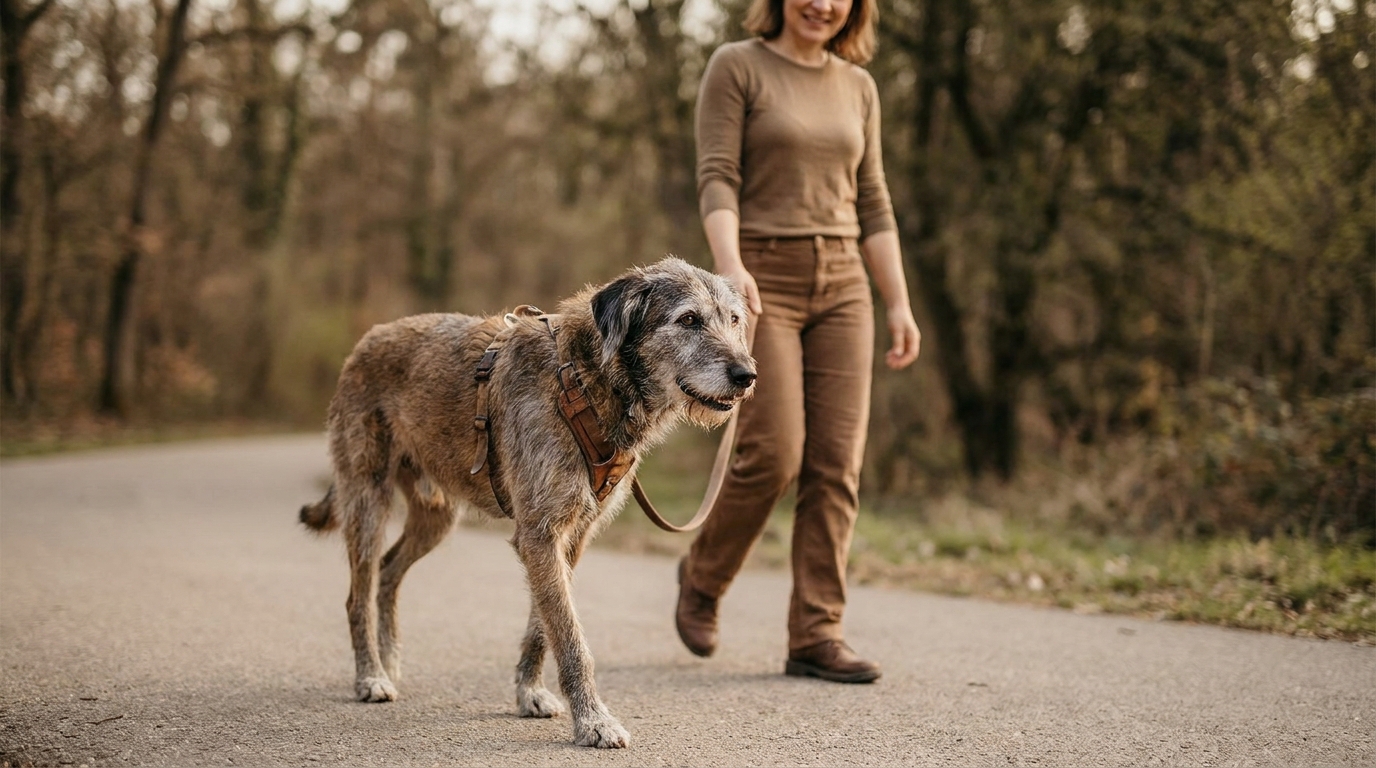
- Leash walks on even ground: Choose flat, predictable surfaces. Start with 5–10 minutes, then add 1–2 minutes every few days if recovery stays smooth. Keep turns wide and avoid sudden pivots.
- Sniff walks (slow, nose-led walks): Let your dog set the pace and explore. Sniffing naturally slows movement and reduces quick bursts that can strain joints.
- Swimming or controlled water walking: Water supports body weight while allowing movement through a comfortable range of motion. Start with very short sessions and build gradually. Use an exit that doesn’t require jumping, and rinse/dry afterward to help prevent skin irritation.
- Figure-8 walking: Walk gentle figure-8 patterns around two objects (like cones or planters). Start with large loops and a slow pace. Tight turns increase joint load, so keep it smooth and wide.
- Back-up steps (tiny reps): On a non-slip surface, lure 2–5 slow steps backward. This can build hind-end awareness, but it’s easy to overdo if your dog braces or resists—stop if you see hesitation, toe-dragging, or any sign of discomfort.
- Weight shifts: With your dog standing, use a treat to guide their head slightly side to side so weight shifts gently between legs. Do 5–10 controlled shifts. The goal is steadiness, not leaning or wobbling.
- Cavaletti poles (very low obstacles): Use pool noodles or broom handles spaced widely so your dog steps over slowly. Keep height low and do only a few passes. If your dog knocks poles, rushes, or looks stressed, lower the challenge or skip this for now.
If your dog gets overly excited during any activity, scale it back. The best low-impact plan is the one your dog can repeat tomorrow without soreness.
Quick tip: Use a “two-out-of-ten” effort rule. You want mild exertion (light panting is fine), not heavy breathing, scrambling, or a big energy crash afterward.
How much is enough? Building a safe weekly routine
With older dogs and dogs managing joint disease, consistency beats intensity. Aim for a little movement most days, with planned easy days so tissues can recover.
Try this joint-friendly template and adjust based on how your dog rebounds:
- Daily: 2–3 short leash walks (5–15 minutes each), focusing on steady pace and good footing.
- 2–3 times per week: A 5–10 minute strength/balance session (weight shifts, gentle backing up, slow figure-8s). Leave at least one rest day between these sessions at first.
- 1–2 times per week: Swimming or water walking if your dog enjoys it and stays comfortable afterward. Consider an easy day after water exercise when you’re just getting started.
Progress safely: Change only one variable at a time—duration, frequency, or complexity. If you increase duration this week, keep everything else the same. If your dog is doing well, add small increases every 5–7 days rather than daily jumps.
Planned rest days: Rest doesn’t have to mean zero movement. Make it a “recovery day” with calm potty breaks, very short strolls, and gentle enrichment at home.
Set your dog up for success: surfaces, warm-ups, and gear
Small setup changes can make low-impact movement feel dramatically better. Think “stable and predictable” to reduce slips, awkward twists, and sudden impacts.
- Choose forgiving surfaces: Even, grippy ground can be easier than slick floors or loose, uneven terrain. Avoid stairs for workouts unless your vet has specifically cleared them.
- Warm up first: Start with 2–5 minutes of slow walking before any turns, poles, or strength moves.
- Use a harness for control: A well-fitted harness can reduce neck strain and help you guide pace without jerking.
- Prioritize traction: Indoors, use rugs or mats for training sessions. Keeping nails neatly trimmed can also improve grip.
- Keep sessions calm: Excitement leads to lunging, twisting, and jumping—exactly what sore joints don’t need.
If your dog is stiff first thing, schedule exercise after they’ve had a chance to loosen up with gentle movement. Many dogs do better with multiple short sessions than one longer one.
Signs the workout is too much (and what to do)
With joint problems, the best feedback is what you see after the session—not during the fun part. Watch your dog’s movement later that day and the next morning.
- Limping during or after exercise
- Stiffness that lasts into the next day
- Lagging behind, sitting/lying down on walks
- Reluctance to do normal activities
- Licking a joint area more than usual
If you notice any of these, reduce the next few sessions by 30–50% (shorter duration, fewer turns, no poles) and prioritize easy walking on flat ground. If symptoms persist, pause the plan and check in with your vet or a rehab professional.
Water-exercise safety: Stop the session if you see frantic paddling, dropping the back end, uneven kicking, repeated attempts to climb out, shivering, or a sudden change in attitude. Keep early sessions brief, avoid pushing through fatigue, and be cautious with very cool water—cold can make some dogs tighten up and move more stiffly afterward.
Frequently Asked Questions
Is walking enough exercise for an older dog with joint discomfort?
Often, yes—especially if you split it into multiple short walks and keep the pace steady. Adding brief balance or strength drills a few times a week can help support joints without turning workouts into a big event.
What changes for dogs with arthritis, hip dysplasia, or after surgery?
These dogs usually need a more conservative plan and clearer guardrails. For arthritis and hip dysplasia, prioritize steady, straight-line walking and slow sniff walks, and keep turns wide. For post-surgery dogs, follow your veterinarian’s timeline and restrictions closely—some strengthening drills (like backing up and cavaletti poles) may be inappropriate until a specific healing stage. When in doubt, choose calm, flat walks and ask for a rehab-style plan tailored to your dog’s diagnosis and comfort.
What’s the safest low-impact activity if my dog loves to run?
Try controlled alternatives that satisfy the urge without explosive starts and stops, like sniff walks, gentle figure-8s, or water exercise. You can also use food puzzles and slow indoor training to provide enrichment without impact.
How do I know if I’m improving my dog’s fitness or just tiring them out?
Positive signs include smoother start-up after resting, better balance on turns, and normal movement the next day. If you’re seeing increased stiffness, reluctance to move, or a “hangover” the next morning, the plan needs to be gentler, shorter, or less frequent.
Ready to support comfortable movement? Explore options in our Joint & Mobility category, and if your dog’s pain or limping is getting worse, talk with your vet before you increase activity. If your dog’s routine includes shared outdoor spaces, you can also restock essentials in our Parasite Prevention category.