

Dog Rocks are a simple add-on for pet parents who are tired of yellow lawn spots and want an easy routine change. In this guide to dog rocks products, you’ll learn what they are, how they’re used, and what to look for before you buy. If you’re comparing options, this dog rocks review-style breakdown will help you shop with confidence.
What Dog Rocks are (and what they’re not)
Dog Rocks are natural mineral rocks designed to be placed in your dog’s water bowl. They’re marketed to help reduce the lawn discoloration that can happen when dogs urinate on grass. Many shoppers consider them because they don’t involve adding powders or liquids to water.
What they’re not: a medication, a training tool, or a guaranteed fix for every yard. Lawn spotting can be influenced by hydration, diet, grass type, frequency, and where your dog tends to go.
If you’re browsing the brand, you can find the full selection of Dog Rocks products in one place to compare what’s available.
How they work and what to expect
The basic idea is simple: the rocks sit in water and are intended to help “filter” or bind certain naturally occurring elements, which may reduce the chance of urine contributing to yellow spots. Think of it as a passive, set-and-forget approach rather than something you measure daily.
In a practical dog rocks review, expectations matter. Some pet parents report noticeable improvement, while others see only minor changes or none at all. It’s best to evaluate results over several weeks and keep other variables (like watering routines) consistent while you test.
Also keep in mind that Dog Rocks aren’t meant to replace basic lawn care. If you can, promptly rinsing the area after your dog urinates and encouraging them to use one part of the yard can still make a big difference.
How to use Dog Rocks correctly
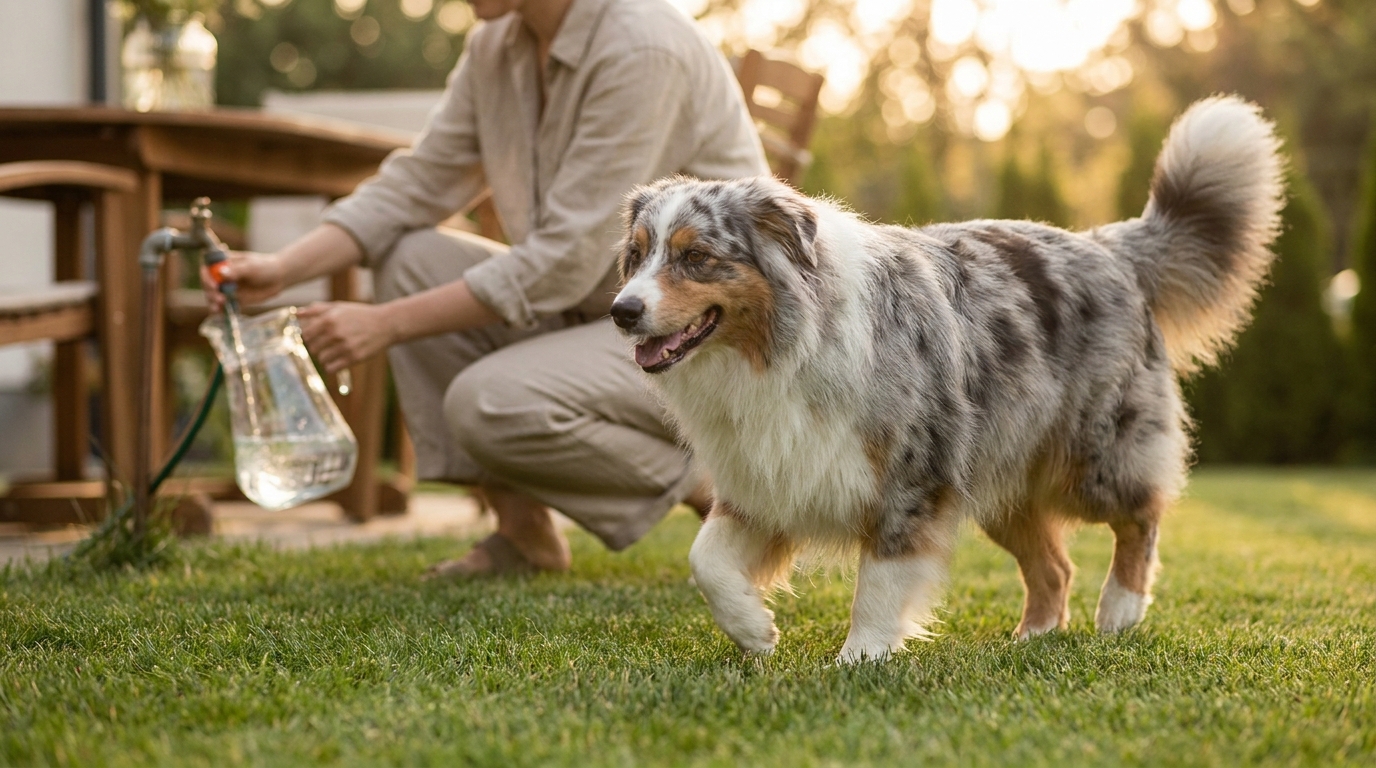
Most households use Dog Rocks by placing them into the water bowl or a water jug that’s used to refill the bowl. The goal is steady, ongoing use so your dog’s drinking water remains consistent day to day. If your dog has multiple water stations, decide whether you’ll treat all of them or stick to one primary bowl.
Start with clean bowls and fresh water. Replace water as you normally would, keeping the rocks in place unless the product directions say otherwise. If you use a fountain-style bowl, confirm the rocks won’t interfere with the pump or intake.
Quick tip: For the clearest “before and after,” take a quick photo of the main potty area, then check weekly under similar lighting so you can judge changes without guessing.
As you build your routine, remember that lawn staining and pet health are different topics. If your main concern is parasites (fleas, ticks, or intestinal worms), you’ll want dedicated prevention products from a trusted pet medication store rather than relying on a water-bowl accessory.
Which Dog Rocks products to buy
When shoppers search for dog rocks products, they’re usually deciding between sizes, refill frequency, and how many bowls they need to cover. The best choice is the one that matches your household routine: how often you refresh water, how many dogs you have, and whether you’re treating a single bowl or multiple stations.
- Single-bowl households: Look for a standard pack size intended for one dog’s main water bowl or water jug routine.
- Multi-dog or multi-bowl households: Consider extra sets so all primary water sources are consistent.
- Busy schedules: Choose an option that’s easy to maintain without frequent handling, so you’re more likely to stick with it.
If you’re ready to compare options, browse the current selection of Dog Rocks brand items and pick the format that fits your setup.
Shopping tips, value, and safety notes
Value: The main “cost” with Dog Rocks is patience and consistency. Give your routine time, track results, and avoid changing too many things at once (new food, new watering habits, and Dog Rocks all at the same time) or it’ll be hard to tell what’s working.
Household fit: If your dog mostly urinates in one area, you may see clearer results than if they roam the entire yard. If you live in an apartment or don’t have a lawn, the product may not be as useful—consider whether your goal is actually odor control or parasite prevention instead.
Safety: Use only as directed and keep the rocks in the container or placement method recommended by the manufacturer. If your dog is a chewer or likes to play with items in their bowl, prioritize a setup where the rocks can’t become a choking hazard.
What to do alongside Dog Rocks: Many pet parents pair lawn-spot strategies with broader wellness routines—like consistent grooming and vet-grade parasite prevention—so their dog stays comfortable and protected year-round.
Frequently Asked Questions
How long does it take to see results with Dog Rocks?
Many people evaluate changes over several weeks rather than a few days. Lawn spots can reflect past urine damage, so you may need time for grass to recover while you monitor whether new spots decrease.
Can Dog Rocks be used with a water fountain bowl?
It depends on the fountain design and where the rocks would sit. If there’s any chance they could block an intake or be picked up by your dog, use a safer setup (like treating water in a jug) or choose a standard bowl.
Do Dog Rocks replace training or lawn care?
No—think of them as one part of a routine. Encouraging a consistent potty area, rinsing spots when possible, and maintaining healthy grass habits can still be important for reducing discoloration.
Ready to shop? Explore our full lineup of Dog Rocks and choose the option that best fits your dog’s water routine. If you have questions about whether a lawn-spot product makes sense for your pet’s specific health needs, chat to your vet.