

As temperatures climb, preparing your dog for summer becomes one of the most important things you can do as a pet owner. From parasite prevention to hydration, a little planning now saves you stress (and vet bills) later. Here are five essential tips to keep your pup safe, comfortable, and happy all season long.
Lock Down Parasite Prevention Early
Warm weather brings a surge in fleas, ticks, and mosquitoes — and every one of them can make your dog miserable or sick. Flea infestations escalate fast once conditions heat up, and ticks can transmit serious diseases with a single bite.
The smartest move is to start your dog on a reliable flea and tick treatment before summer hits full swing. Staying consistent with monthly or quarterly doses means parasites never get a foothold.
Don't forget heartworm. Mosquitoes become more active in warmer months, increasing the risk of heartworm transmission. A regular heartworm preventative is a simple, affordable way to protect your pup year-round.
Keep Hydration and Cooling a Priority
Dogs overheat far more easily than humans because they rely on panting rather than sweating to cool down. Heatstroke can set in quickly, especially in brachycephalic breeds like bulldogs and pugs.
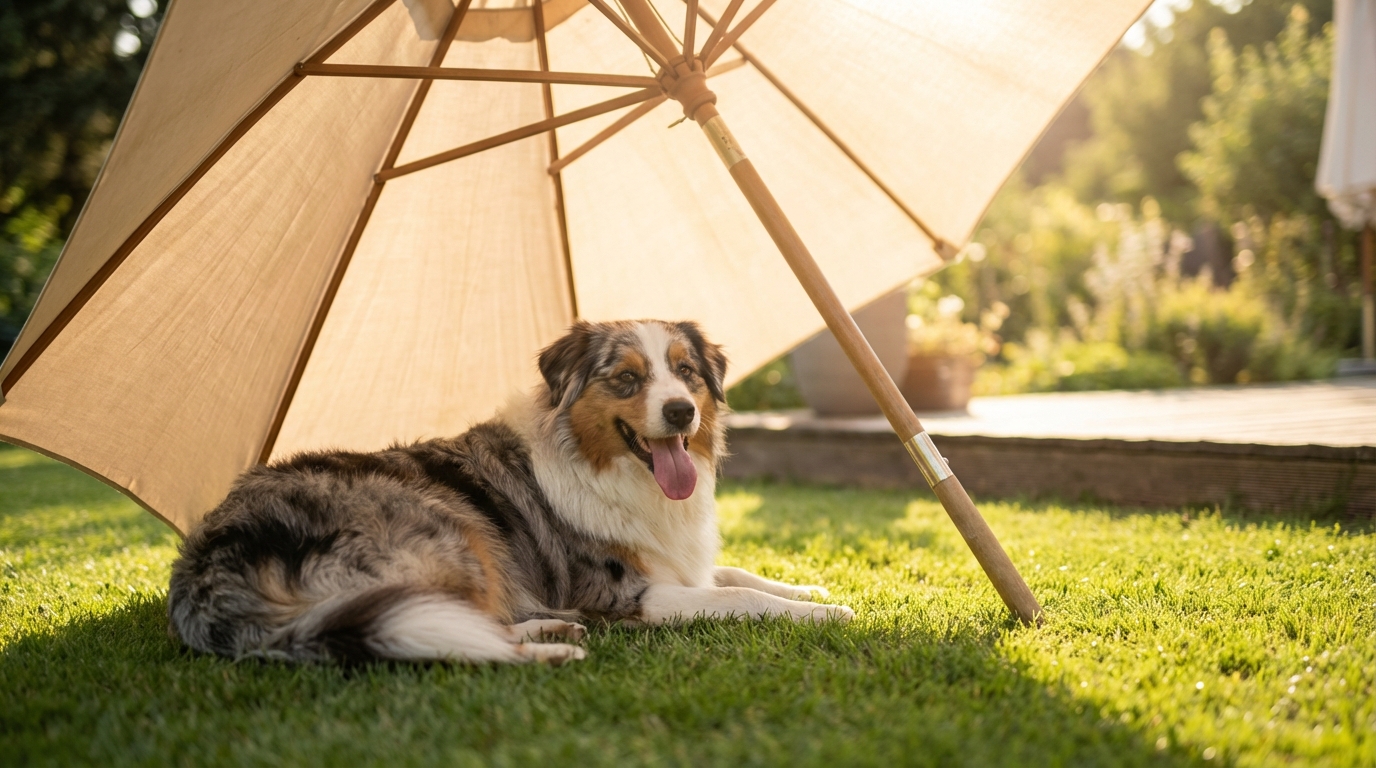
Always provide fresh, cool water — indoors and outdoors. If your dog spends time outside, make sure there is access to shade at all times of day. Portable water bowls are a must for walks and car trips.
Watch for early signs of overheating: excessive panting, drooling, lethargy, or bright red gums. If you notice any of these, move your dog to a cool area and offer small sips of water immediately.
Quick tip: Walk your dog during the cooler parts of the day — early morning or evening. Press the back of your hand to the pavement for five seconds; if it's too hot for you, it's too hot for their paw pads.
Update Your Grooming and Skin Care Routine
Summer means more shedding for many breeds, and a matted coat traps heat against the skin. Regular brushing removes loose fur and improves airflow through your dog's coat, helping them stay cooler naturally.
Resist the urge to shave double-coated breeds down to the skin. Their undercoat actually provides insulation against heat and protects against sunburn. A professional trim that shortens without removing that protective layer is a better choice.
Check ears and skin more frequently during summer. Moisture from swimming or humidity can lead to ear infections, and grass seeds or burrs can irritate skin after outdoor adventures. A quick post-walk inspection only takes a minute.
Practice Smart Outdoor Safety
Summer means more time outside — dog parks, hikes, beaches, and backyard barbecues. While all of that is great for your pup, it also introduces new hazards worth planning for.
Many common garden plants and fertilizers are toxic to dogs. If your pup has access to a yard or garden, double-check that nothing they can reach is harmful. The same applies to picnic foods: grapes, onions, chocolate, and xylitol-sweetened treats are all dangerous.
If your dog swims, rinse them with fresh water afterward to remove chlorine, salt, or algae residue. Never leave a dog unsupervised near a pool — not all dogs are natural swimmers, and fatigue can catch even strong swimmers off guard.
Make sure your dog's intestinal worming treatments are up to date as well. Increased time outdoors raises exposure to parasites picked up from soil, water, and other animals.
Adjust Nutrition and Watch Their Weight
More activity can mean more calories burned, but summer also brings extra treats — table scraps from cookouts, training snacks at the park, and the occasional ice cube snack. It's easy for calorie intake to creep up without you noticing.
Weigh your dog regularly and adjust portion sizes if needed. A healthy weight reduces the risk of joint problems, heart issues, and overheating. Lighter, more frequent meals can also be easier to digest in the heat.
Frozen treats like plain watermelon chunks or ice cubes with a small piece of fruit frozen inside make great low-calorie cooling snacks. Just avoid anything with added sugar or artificial sweeteners.
Frequently Asked Questions
How often should I apply flea and tick prevention during summer?
Follow the dosing schedule on the product you choose — most treatments are applied monthly, though some newer options last up to three months. Consistency matters more than timing it to a specific season, so many pet owners keep their dogs protected year-round.
Can my dog get sunburned?
Yes. Dogs with thin or light-colored coats, pink noses, and exposed skin on their belly or ears are especially susceptible. Limiting direct sun exposure during peak hours and providing ample shade are the best ways to prevent sunburn.
What's the safest way to cool down an overheated dog?
Move them to a shaded or air-conditioned area and offer small amounts of cool (not ice-cold) water. You can apply damp towels to their paw pads, belly, and ears. If symptoms don't improve quickly, seek veterinary attention.
Getting your dog ready for summer doesn't have to be complicated or expensive. Start with solid parasite prevention, keep hydration front of mind, and stay alert to seasonal hazards. If you're unsure about the best prevention products for your dog's needs, have a quick chat with your vet — then browse our full range of discount dog medications to stock up for the season ahead.