

The festive season brings excitement, gatherings, and plenty of noise — but for many pets, it triggers serious anxiety. Fireworks, unfamiliar visitors, and disrupted routines can leave dogs and cats stressed, restless, and even destructive. Understanding how to manage pet anxiety during the holidays helps keep your companion calm and safe while you enjoy the celebrations.
Why Pets Get Anxious During the Festive Season
Dogs and cats are creatures of habit. When their daily routine shifts — meals at different times, new people in the house, rearranged furniture for decorations — it can feel genuinely threatening to them.
Fireworks and firecrackers are among the biggest triggers. The sudden, unpredictable booms create a fight-or-flight response, especially in noise-sensitive breeds. Even indoor celebrations with loud music and laughter can overwhelm a pet that prefers quiet.
Cats tend to hide and withdraw, while dogs are more likely to pace, pant, or try to escape. Neither response should be ignored, because chronic stress can weaken immune health and make your pet more vulnerable to other issues over time.
Signs Your Pet Is Stressed
Recognizing anxiety early means you can intervene before it escalates. Watch for these common signals in dogs:
- Excessive panting or drooling when it's not hot
- Pacing, trembling, or trying to hide
- Barking or whining more than usual
- Destructive chewing on furniture, doors, or crates
- Refusing food or treats
In cats, the signs look a little different:
- Hiding for extended periods and refusing to come out
- Over-grooming or pulling out fur
- Urinating or defecating outside the litter box
- Aggression toward people or other animals
Some pets also develop digestive issues like vomiting or diarrhea when severely stressed. If symptoms persist beyond the event itself, it's worth looking into longer-term solutions.
Practical Calming Strategies That Work
Start with the basics: create a safe space. A quiet, interior room with your pet's bed, water, and a favorite toy gives them a retreat from the chaos. For dogs, a covered crate can feel like a den — just make sure the door stays open so they don't feel trapped.
Background noise helps mask sudden bangs. Turn on a TV, play calm music, or use a white-noise machine to dull the impact of fireworks or party sounds.
Quick tip: Exercise your dog thoroughly earlier in the day. A tired dog is naturally calmer and less reactive to evening triggers like fireworks or doorbell rings.
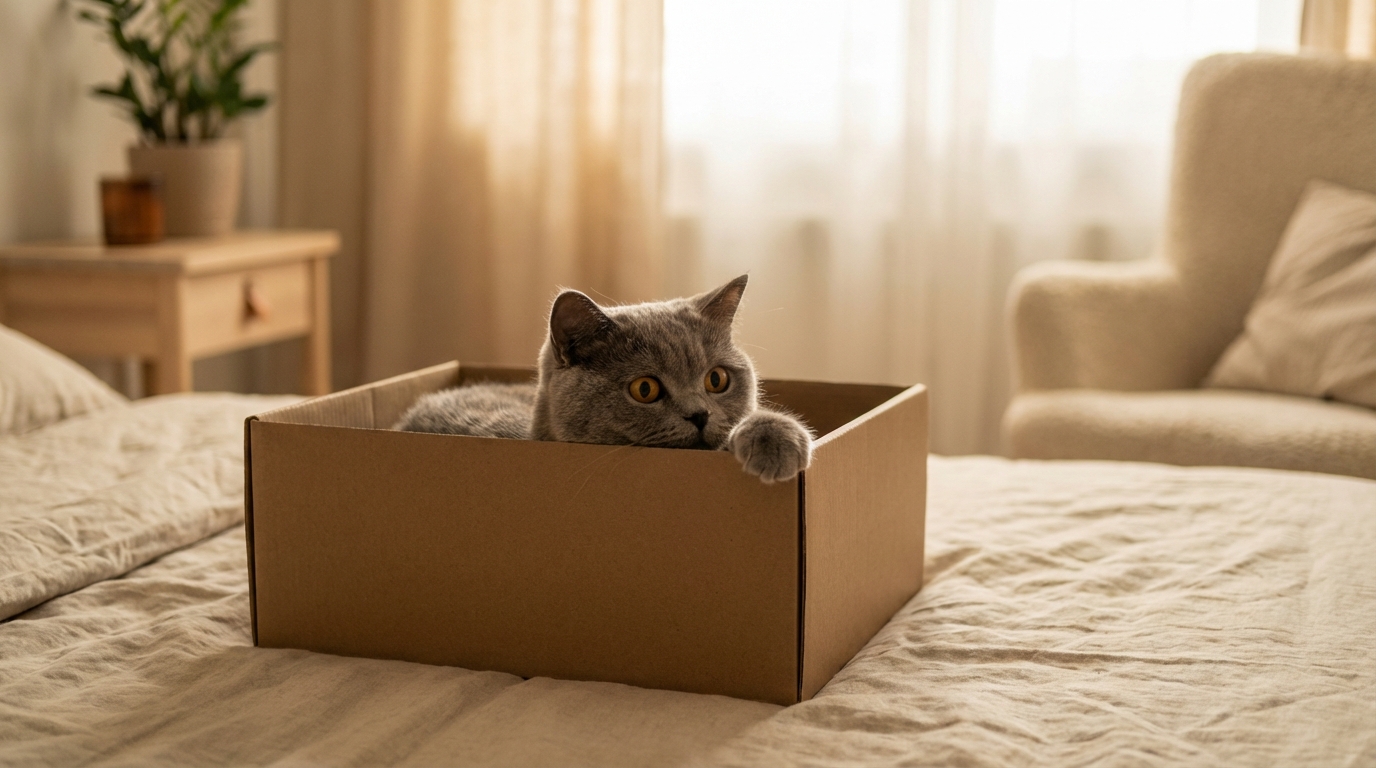
Distraction is another powerful tool. Puzzle feeders, long-lasting chews, and interactive toys keep your pet mentally occupied. For cats, a new cardboard box or a sprinkling of catnip in their safe room can redirect nervous energy.
Avoid punishing anxious behavior — scolding a stressed pet only increases fear. Calm, neutral reassurance is far more effective. Stay relaxed yourself, because pets pick up on their owner's emotions.
Anxiety Treatments and Calming Products
When environmental changes alone aren't enough, calming products can make a significant difference. Options range from pheromone diffusers and calming collars to oral supplements and dedicated anxiety treatments for pets.
Pheromone-based products mimic the natural chemicals that mother dogs and cats produce to soothe their young. They come as plug-in diffusers, sprays, and wearable collars, and many pet owners report noticeable improvement within days.
For dogs with moderate to severe noise anxiety, there are effective dog health products designed specifically to take the edge off stressful events. These work best when given before the triggering event starts, not after your pet is already in full panic mode.
Cats can also benefit from dedicated calming support. Browse our range of cat health products to find options suited to feline stress and anxiety.
Compression wraps — snug-fitting garments that apply gentle, constant pressure — are another drug-free option. Many dogs respond well to the swaddling effect, similar to how a weighted blanket works for people.
How to Prepare Your Pet Before Festivities Start
Preparation beats reaction every time. If you know fireworks or large gatherings are coming, start your calming routine several days in advance.
Desensitization can help noise-phobic dogs over the longer term. Play recorded firework sounds at a very low volume while offering treats, gradually increasing the volume over weeks. This teaches your pet that the sounds predict good things, not danger.
Make sure your pet's identification is up to date. Anxious animals bolt through open doors more often than you'd expect during holiday events. A microchip and a collar with current contact details provide a critical safety net.
Keep holiday food and decorations out of reach. Stressed pets are more likely to chew and swallow things they normally wouldn't, and tinsel, ribbon, chocolate, and cooked bones all pose serious hazards.
Finally, stick to your pet's regular feeding and walking schedule as closely as possible. Predictability is one of the simplest and most effective anti-anxiety tools available.
Frequently Asked Questions
How far in advance should I start calming products before an event?
Most calming supplements and pheromone products work best when started two to three days before the anticipated stressful event. This gives the active ingredients time to build up or lets your pet acclimate to the pheromones in their environment.
Can cats and dogs in the same household both use pheromone diffusers?
Yes, but they need species-specific products. Dog-appeasing pheromones do not affect cats, and feline pheromones do not affect dogs. You can safely run both types in the same home without cross-reactions.
My pet only shows anxiety during fireworks — is that still considered a real problem?
Absolutely. Situational anxiety is just as valid as generalized anxiety and can worsen over time if left unmanaged. Addressing it early with calming strategies and appropriate products prevents it from developing into a deeper behavioral issue.
Don't wait until the festivities are in full swing to help your pet cope. Stock up on calming and anxiety support products now at Discount Pet Medication, and have a chat with your vet if your pet's anxiety is severe or worsening.