

Poor dental hygiene is one of the most common — and most overlooked — health issues in dogs. By the age of three, the majority of dogs already show signs of dental disease, which can lead to pain, infection, and even organ damage over time. The good news is that maintaining your dog's dental hygiene at home is simpler than you might think, and a consistent routine can save you significant expense down the road.
Why Dental Care Matters for Dogs
Dental disease doesn't just cause bad breath. Plaque and tartar buildup harbor bacteria that can enter your dog's bloodstream through inflamed gums. Over time, this bacterial load has been linked to heart, liver, and kidney complications.
Treating advanced dental disease often requires professional cleaning under anesthesia, which can be costly and stressful for your pet. Preventive at-home dental care is far easier on both your dog and your wallet.
Keeping teeth clean also ties into broader preventive health. Just as you'd use regular worming treatments to protect your dog from internal parasites, a dental routine protects against a different — but equally serious — category of health risks.
Signs Your Dog May Have Dental Problems
Dogs are masters at hiding discomfort, so dental issues often go unnoticed until they're advanced. Knowing what to look for helps you catch problems early.
- Persistent bad breath — a sour or rotten smell is not normal, even in dogs.
- Red, swollen, or bleeding gums — signs of gingivitis or periodontal disease.
- Difficulty eating or dropping food — may indicate tooth pain or loose teeth.
- Excessive drooling — especially if it's new or accompanied by blood-tinged saliva.
- Pawing at the mouth or face — a classic sign of oral discomfort.
- Visible tartar — yellow or brown buildup along the gum line.
If you spot any of these signs, it's worth lifting your dog's lips for a closer look. Early-stage plaque is soft and can still be managed at home, while hardened tartar typically needs professional removal.
How to Brush Your Dog's Teeth at Home
Toothbrushing is the gold standard for at-home dog dental hygiene. It physically disrupts plaque before it mineralizes into tartar — something no treat or chew can fully replicate.
What you'll need:
- A soft-bristled dog toothbrush or finger brush
- Enzymatic toothpaste formulated for dogs (never use human toothpaste — the fluoride and xylitol are toxic to pets)
Step-by-step approach:
- Start by letting your dog taste the toothpaste from your finger. Most pet toothpastes come in flavors dogs enjoy, like poultry or beef.
- Gently lift the lip on one side and brush the outer surfaces of the teeth using small circular motions. Focus on the gum line where plaque accumulates fastest.
- Work in short sessions — even 30 seconds per side is effective when done consistently.
- Reward your dog immediately afterward with calm praise or a small treat so the experience stays positive.
Don't worry if you can't reach the inner surfaces at first. The tongue naturally helps keep those areas cleaner, so the outer faces of the teeth are where your effort matters most.
Quick tip: If your dog resists a toothbrush, start with a piece of gauze wrapped around your finger. It's less intrusive and still removes a surprising amount of plaque. Over a week or two, most dogs accept the upgrade to a brush.
Beyond Brushing: Chews, Diets, and Water Additives
Brushing is the most effective tool, but it's not the only one. A multi-layered approach gives your dog's teeth the best protection.
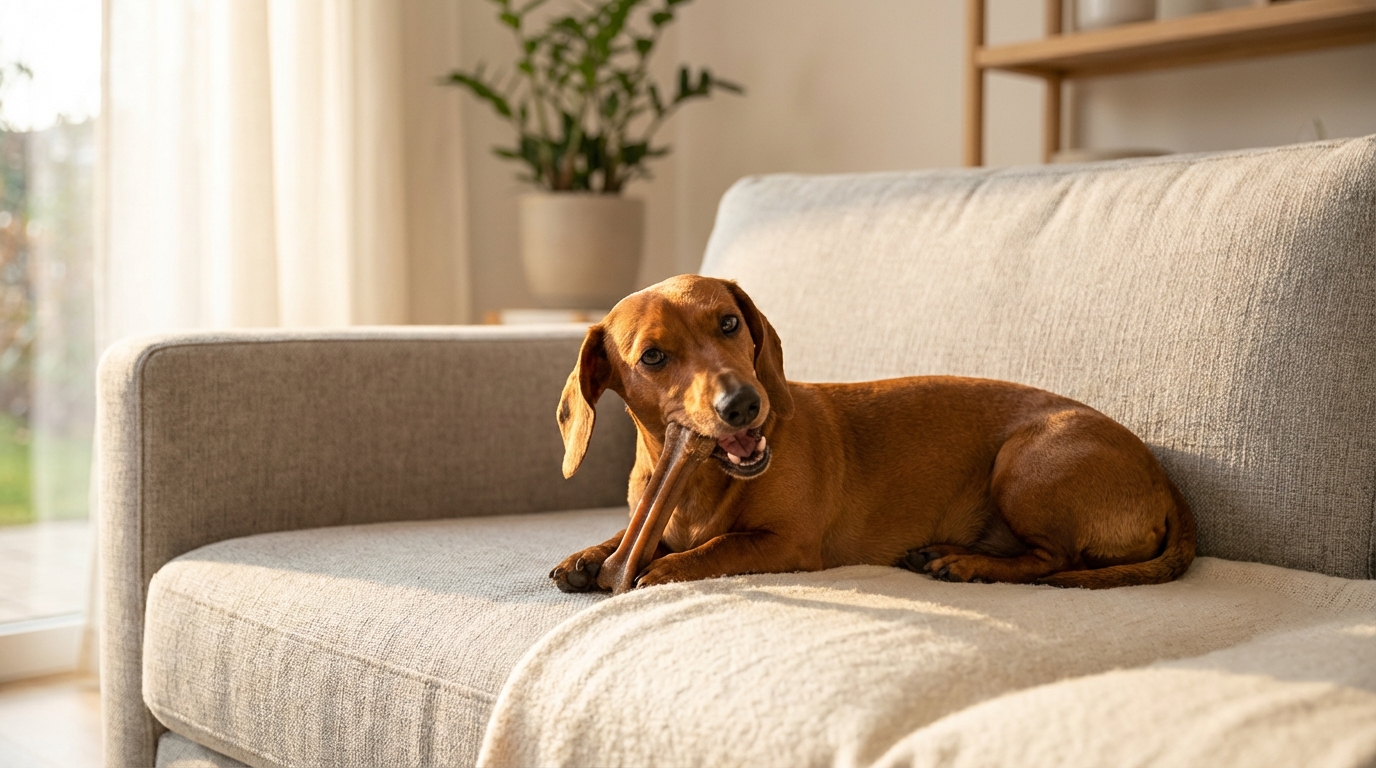
Dental chews: Look for products that carry a veterinary dental organization seal of acceptance. These chews are designed to mechanically scrape plaque as your dog gnaws. They're not a substitute for brushing, but they're a solid complement — especially on days you skip the brush.
Dental diets: Some kibble formulas are engineered with larger, fibrous pieces that create a scrubbing action against teeth. If your dog is prone to plaque buildup, a dental-specific diet can make a measurable difference.
Water additives: Flavorless water additives contain enzymes that help reduce bacterial load in your dog's mouth. They're the easiest option to implement, though they work best alongside physical cleaning methods.
Keeping up with your dog's overall health supports dental outcomes too. Dogs on a consistent preventive health routine — including flea and tick prevention and regular parasite control — tend to have stronger immune systems, which helps the body fight off oral infections more effectively.
Building a Dental Hygiene Routine That Sticks
The biggest challenge with dog dental care isn't knowing what to do — it's doing it consistently. Here's how to make the habit stick.
Anchor it to an existing habit. Brush your dog's teeth right after their evening meal or right before your own bedtime routine. Attaching a new habit to an established one dramatically improves follow-through.
Set realistic frequency. Daily brushing is ideal, but even three to four times per week provides meaningful protection against plaque buildup. Don't let perfect be the enemy of good.
Keep supplies visible. Store the toothbrush and paste where you'll see them — next to the dog treats or by the food bowl. Out of sight truly is out of mind.
Track your progress. Lift your dog's lips once a month and take a quick photo. Comparing images over time gives you a clear picture of whether your routine is working or needs adjustment.
Frequently Asked Questions
How often should I brush my dog's teeth?
Daily brushing delivers the best results, but brushing three to four times per week is still highly effective at preventing tartar buildup. The key is consistency over perfection — a regular routine matters more than occasional deep cleans.
Can dental chews replace toothbrushing?
Dental chews are a helpful supplement, but they can't fully replace brushing. Chews tend to clean the chewing surfaces while missing the gum line, which is where the most damaging plaque accumulates. Use chews as part of a layered approach alongside regular brushing.
At what age should I start cleaning my dog's teeth?
The earlier the better. Starting when your dog is a puppy helps them accept mouth handling as a normal part of life. That said, it's never too late to begin — adult and senior dogs can learn to tolerate brushing with a gradual, reward-based introduction.
A solid at-home dental routine is one of the simplest ways to protect your dog's long-term health and comfort. If you notice persistent issues despite consistent care, have a chat with your vet to rule out underlying problems. Ready to stay on top of your dog's preventive health? Browse our full range of affordable dog health products to keep every aspect of their wellbeing covered.