

If you've ever watched your dog munch on a mouthful of grass during a walk, you're not alone — it's one of the most common behaviors dog owners wonder about. Dogs eating grass is surprisingly normal, but understanding the reasons behind it can help you figure out when it's harmless and when it might signal something worth addressing.
Why Dogs Eat Grass in the First Place
The truth is, researchers don't have one definitive answer. Multiple studies suggest that grass eating — sometimes called "pica" when it involves non-food items — is a normal behavior observed in the majority of healthy dogs.
One widely cited study found that nearly 80% of dogs with regular access to grass had eaten it at some point. Fewer than 10% of those dogs appeared sick beforehand, and fewer than 25% vomited afterward. That means for most dogs, it's simply something they do.
Dogs are naturally omnivorous scavengers. Their wild ancestors ate whole prey including the plant-filled stomach contents of herbivores, so a taste for greenery may be hardwired into their DNA.
Instinct vs. Upset Stomach: What's Really Going On
The most popular myth is that dogs eat grass to make themselves vomit when their stomach is upset. While some dogs do vomit after eating grass, the evidence suggests that this is the exception rather than the rule.
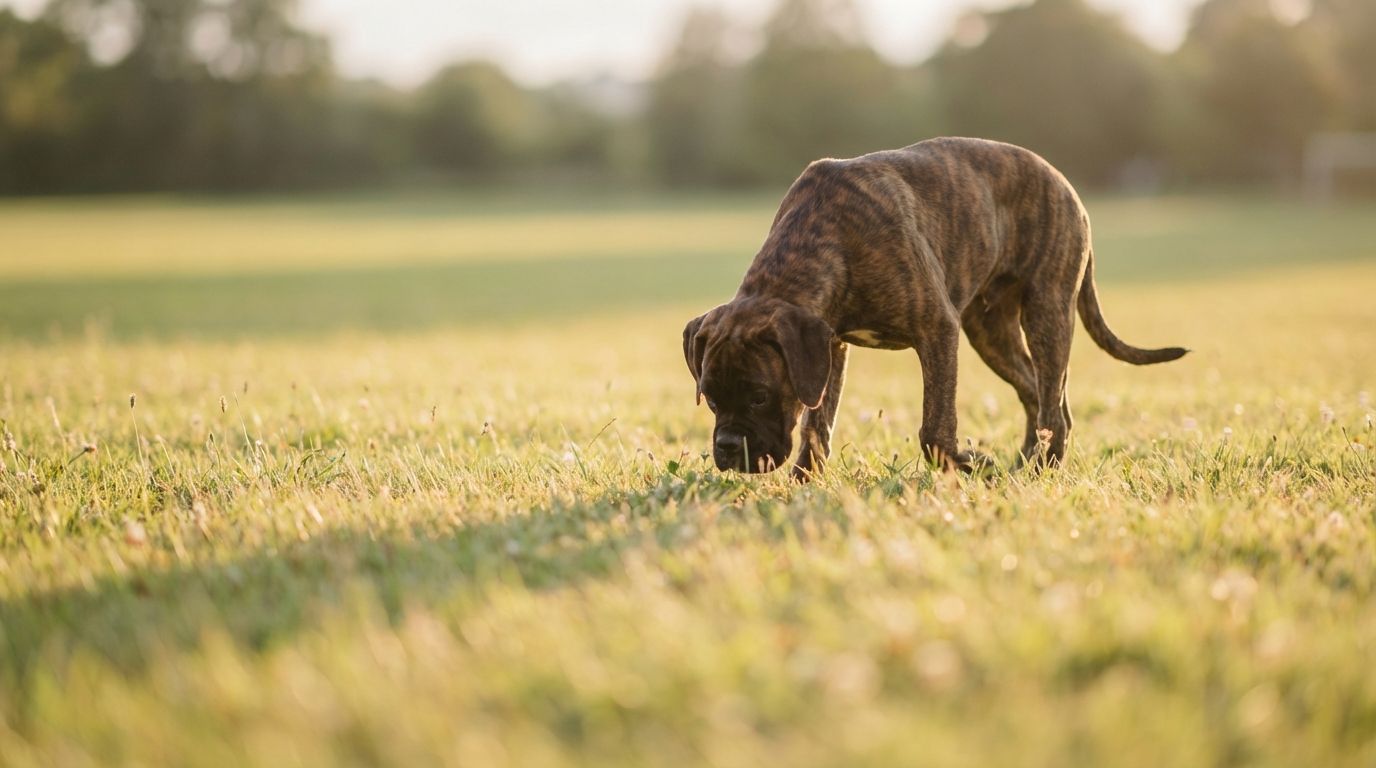
Many dogs eat grass casually, picking at blades during a leisurely walk without any signs of nausea. This type of relaxed nibbling is more likely driven by taste, texture, or simple boredom than by gastrointestinal distress.
However, there's a subset of dogs that eat grass frantically — gulping large amounts in a short period. This urgent behavior is more commonly followed by vomiting and could indicate an upset stomach. If you notice this frantic pattern regularly, it's worth paying attention to what your dog ate beforehand and whether the episodes follow a pattern.
When Grass Eating Could Be a Problem
Occasional, relaxed grass eating rarely needs intervention. But certain patterns should put you on alert:
- Sudden increase in frequency — A dog that never ate grass but now does it daily may be compensating for a dietary gap or dealing with GI discomfort.
- Repeated vomiting — If grass eating consistently leads to vomiting, diarrhea, or lethargy, something deeper may be going on.
- Weight loss or appetite changes — Combined with grass eating, these can signal digestive issues or an underlying parasite burden.
- Treated or chemically maintained lawns — Herbicides, pesticides, and fertilizers on grass can be toxic to dogs regardless of why they're eating it.
A dietary deficiency — particularly a lack of fiber — is another theory worth considering. Some owners report that switching to a higher-fiber food reduces or eliminates the behavior entirely.
Quick tip: If your dog is a habitual grass eater, try adding a small amount of steamed green beans or a fiber-rich food topper to their meals. Many owners find this simple change curbs the habit noticeably.
The Hidden Risk: Parasites Lurking in Grass
Here's the part most pet owners overlook: even if the grass-eating behavior itself is harmless, the grass your dog eats might not be. Lawns, parks, and shared green spaces can harbor parasite eggs and larvae that are invisible to the naked eye.
Intestinal worms like roundworms, hookworms, and whipworms shed eggs through the feces of infected animals. Those eggs can survive in soil and on grass blades for weeks or even months. When your dog nibbles on contaminated grass, they risk ingesting those parasites directly.
This is one of the strongest reasons to keep your dog on a regular dog worming schedule. A quality intestinal wormer given at the right intervals breaks the parasite life cycle before an infestation can take hold.
Beyond intestinal worms, dogs that spend time on grass are also at higher risk of picking up fleas and ticks. A consistent flea and tick prevention routine is your best defense against these external parasites, which can transmit additional diseases of their own.
Practical Ways to Reduce Grass Eating
You don't necessarily need to stop your dog from ever eating grass, but if you'd like to minimize the habit, these strategies can help:
- Review their diet. Ensure your dog's food provides adequate fiber and meets their nutritional needs for their age, size, and activity level.
- Increase enrichment. Boredom is a genuine motivator. Puzzle feeders, longer walks, and training sessions can redirect your dog's oral fixation.
- Train a "leave it" cue. A reliable "leave it" command gives you a tool to redirect your dog before they start grazing.
- Keep parasite prevention current. Since grass is a common vector for parasites, staying consistent with preventative treatments removes one of the biggest risks associated with the behavior.
Most importantly, observe your dog. A calm nibble here and there during walks is almost always benign. It's the sudden changes in frequency, intensity, or accompanying symptoms that warrant closer attention.
Frequently Asked Questions
Is it safe to let my dog eat grass?
In most cases, occasional grass eating is harmless. The main concerns are chemically treated lawns and the risk of ingesting parasite eggs. Keeping your dog on regular parasite prevention greatly reduces the latter risk.
Does eating grass mean my dog has worms?
Not necessarily. While some dogs with heavy parasite burdens may eat grass more frequently due to GI discomfort, the behavior alone isn't a reliable indicator of worms. Regular worming treatments are a far more effective way to stay ahead of parasites than watching for behavioral clues.
Should I stop my dog from eating grass entirely?
There's no need to panic over casual grazing. However, if the grass has been treated with chemicals, if your dog vomits frequently afterward, or if the behavior is new and intense, it's worth redirecting them and looking into possible causes.
Keeping your dog protected from parasites they might pick up while grazing is one of the simplest things you can do as a responsible pet owner. Browse our range of affordable dog wormers to make sure your pup stays covered — and if the grass eating persists or is accompanied by other symptoms, have a chat with your vet to rule out anything more serious.