

Puppy socialization isn’t just “meeting a few dogs.” It’s a time-sensitive learning phase that shapes how your pup handles people, pets, noises, and new places for life. That’s why the first 16 weeks matter most—and why doing it safely matters just as much as doing it early.
What the socialization window really is
The puppy socialization window is a short developmental period when a young dog’s brain is primed to accept new experiences as “normal.” Many trainers also refer to the critical socialization period: a stage in early development when gentle, positive exposure to people, environments, handling, and everyday life can have an outsized impact on future comfort levels.
This stage can overlap with a fear period, when a puppy may suddenly act more cautious or startle more easily. That doesn’t mean you should stop socializing—it means you should keep exposures extra low-pressure and focus on building good associations rather than pushing through.
The goal isn’t to overwhelm your puppy with constant novelty. The goal is to build calm confidence through many small, positive exposures that your puppy can recover from easily.
- Socialization: Learning that new things are safe (not just learning manners).
- Habituation: Getting used to normal life (vacuum, doorbell, car rides).
- Positive association: Pairing new things with treats, play, or gentle praise.
Why the first 16 weeks are the easiest time to learn
Early in life, puppies tend to be naturally curious. When exposures are controlled and pleasant, they’re more likely to treat novelty as no big deal. As they mature, many pups become more cautious—so experiences that were easy at 10 weeks can feel much harder at 6 months.
This is why early puppy socialization is about prevention: you’re reducing the odds of fear-based reactions later (barking, hiding, lunging, or panic). It’s not about creating a “perfect” dog—it’s about giving your puppy the best starting point.
Practical takeaway: plan for lots of short sessions (1–5 minutes) across many days, rather than one big, exhausting “social day.” Keep it boring in the best way: calm, predictable, and rewarding.
What to introduce (and how fast)
Think in categories. Your puppy doesn’t need to meet everyone—your puppy needs to learn that different types of people and environments are safe. Make a simple checklist and aim for steady progress.
- People variety: different heights, voices, hats, glasses, beards, mobility aids.
- Gentle handling: touching paws, ears, tail, collar grabs, brief restraint.
- Sounds: door knocks, hair dryer, blender, traffic, and recorded fireworks (introduced using gradual desensitization: very low volume first, then slowly increase over multiple sessions).
- Surfaces: grass, gravel, metal grates, tile, carpet, wet ground.
- Objects: umbrellas, bikes, skateboards, strollers, rolling carts.
- Alone time: short, frequent practice so separation doesn’t feel scary.
Move at your puppy’s pace. If you see a tucked tail, frozen body, whale-eye, or frantic pulling away, you’re too close or too intense. Increase distance, lower the volume, or shorten the session so your puppy can succeed.
Quick tip: Use the “three treats rule”—deliver three small treats while the new thing is present, then calmly leave. If your puppy can eat, they’re likely under threshold.
Socializing before the vaccine series is finished (without taking big risks)
Still working through puppy shots? You can absolutely build confidence now—just aim for controlled exposure instead of high-risk contact. Your puppy can learn a lot without roaming unknown areas or greeting every dog face-to-face.
Important safety note: This article is educational and not a substitute for veterinary advice. Your veterinarian is the best source for guidance on your puppy’s vaccine schedule and illness risk. Risk from contagious diseases (including parvo and others) can vary based on local patterns and your puppy’s lifestyle (for example, how often they’re around unknown dogs, shared potty areas, or high-traffic pet spaces).
When in doubt, choose cleaner, controlled environments and avoid places with heavy unknown dog traffic. Start with low-pressure setups: watch the world from a distance, reward calm behavior, then end the session before your puppy gets tired or overstimulated. Short wins add up fast.
- Choose known-friendly dogs: calm adult dogs or well-run puppy playgroups with supervision.
- Prioritize health-smart routines: keep your pup on a consistent parasite prevention plan so everyday exploration is safer.
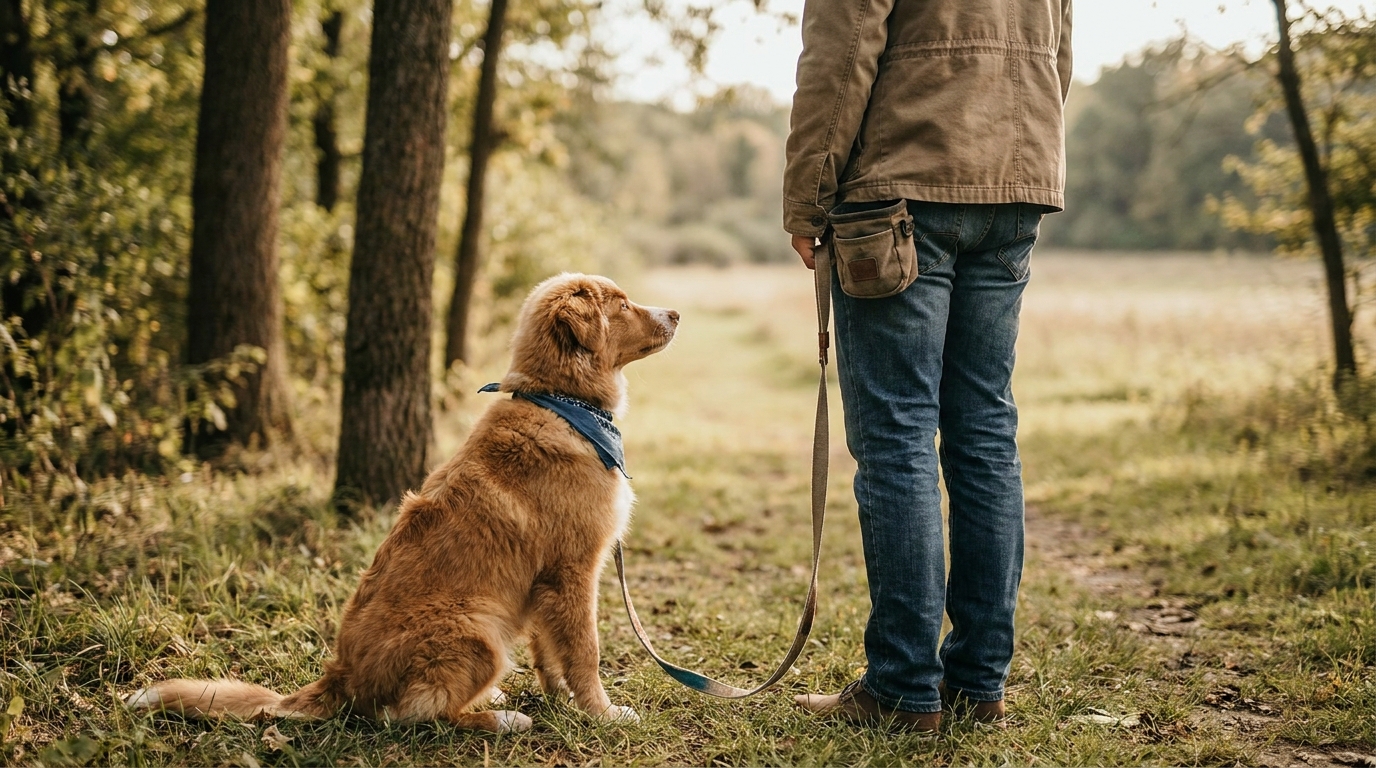
- Practice on-leash neutrality: teach your puppy to look at you instead of pulling to greet.
- Bring familiar gear: a favorite toy, high-value treats, and a comfy harness can help.
Need basics that make outings easier? Stock up on essentials like harnesses, training treats, and cleanup items in our puppy supplies section. Having the right gear helps you keep sessions calm, brief, and repeatable.
Checklist: 10 safe socialization ideas for unvaccinated puppies
Use this as a “downloadable-style” list to plan a week of short, low-risk wins. Adjust based on your veterinarian’s guidance and your puppy’s comfort level.
- Front-door greetings at a distance: Have a friend toss treats without leaning over or reaching for your puppy.
- Car-based sightseeing: Park and watch people, carts, and bikes from the safety of your vehicle with the windows cracked.
- Carry-and-reward walk-through: Carry your puppy briefly in a calm place and reward quiet observation.
- Stroller or wagon exposure: Let your puppy observe while you control distance and duration.
- “Different looks” day: Hats, sunglasses, hoodies, uniforms—pair each new look with treats.
- Gentle handling practice: One paw touch, treat. Ear touch, treat. Collar touch, treat. Stop while it’s still easy.
- Surface sampler at home: Walk over a towel, mat, baking sheet, and bubble wrap (supervised) with rewards.
- Sound snacks: Play common household sounds softly while feeding or giving treats; keep it easy and brief.
- Parallel time with a healthy adult dog: Walk at a comfortable distance rather than face-to-face play right away.
- Mini field trips to low-dog-traffic areas: Choose places that allow distance and avoid unknown pet waste; keep sessions short.
Tip: Track what you did, your puppy’s body language, and whether they recovered quickly. Progress is consistency, not intensity.
When to stop a session (even if things are going “fine”):
- Your puppy stops taking treats or starts scanning for exits.
- You see stress signals: tucked tail, pinned ears, lip licking, yawning, freezing, growling, or frantic pulling away.
- Your puppy gets mouthy, zoomy, or clumsy—often a sign they’re overtired.
- The environment changes suddenly (a crowd appears, dogs rush over, loud noises spike).
Gear checklist: make socialization easier (and cleaner)
Socialization goes smoother when you can reward quickly, keep distance when needed, and clean up accidents without stress. Here’s a simple shopping checklist to support short, repeatable sessions:
- High-value training treats your puppy can eat fast (tiny pieces work best).
- A comfortable harness and leash so you can guide without jerking or wrestling.
- A long line for low-distraction areas when your veterinarian says it’s appropriate.
- Poop bags and cleanup supplies for quick, responsible outings.
- An enzymatic cleaner for home accidents (helps reduce repeat soiling in the same spot).
- A portable water bowl and a few minutes of decompression time after outings.
- Parasite prevention as part of your puppy’s routine, as recommended by your veterinarian.
You can find many everyday training and cleanup essentials in our puppy supplies section to help you stay consistent (which is the real secret to socialization).
Frequently Asked Questions
Is the puppy socialization window “closed” after 16 weeks?
No—dogs can learn at any age. But the first 16 weeks are typically the easiest time to form positive default reactions to novelty, so you get more progress with less effort. After that, you’ll often need more repetition and more careful setup.
How do I know if I’m doing puppy socialization the right way?
Look for a puppy who can notice something new, take treats, and recover quickly. Sessions should end with your puppy still willing to engage, not melting down or shutting down. If you’re seeing fear signals, reduce intensity and increase distance.
How can I keep socialization going if my puppy isn’t fully vaccinated yet?
Choose controlled exposures (watching from a distance, meeting known healthy dogs, and practicing handling at home) and avoid high-risk, high-traffic dog areas until your veterinarian says it’s appropriate. If your puppy is in a fear period, make sessions even easier and focus on calm observation and quick wins.
What’s the safest way to meet other dogs?
Choose calm, healthy, well-socialized dogs and keep greetings brief. Parallel walking and sniff-and-go interactions are often better than long, face-to-face meetings. A supervised puppy class can also provide structured, low-risk exposure.
What’s a simple 7-day socialization plan I can repeat?
Keep it short, predictable, and positive. Repeat the same “types” of exposures with small variations:
- Day 1: Gentle handling (paws/ears/collar) + one new surface at home.
- Day 2: Car-based sightseeing + treat for calm observation.
- Day 3: One friendly visitor tosses treats + brief break in another room.
- Day 4: Sound desensitization at low volume during a meal.
- Day 5: Carry-and-reward in a calm public spot (distance is your friend).
- Day 6: Parallel walk with a known healthy adult dog.
- Day 7: “Different looks” day (hats, hoodies) + a short, calm play session.
If you’re unsure how to tailor socialization to your puppy’s temperament or health needs, chat with your veterinarian.